
Industrial Construction Services
Pharmaceutical Manufacturing Facilities in Pueblo, Colorado
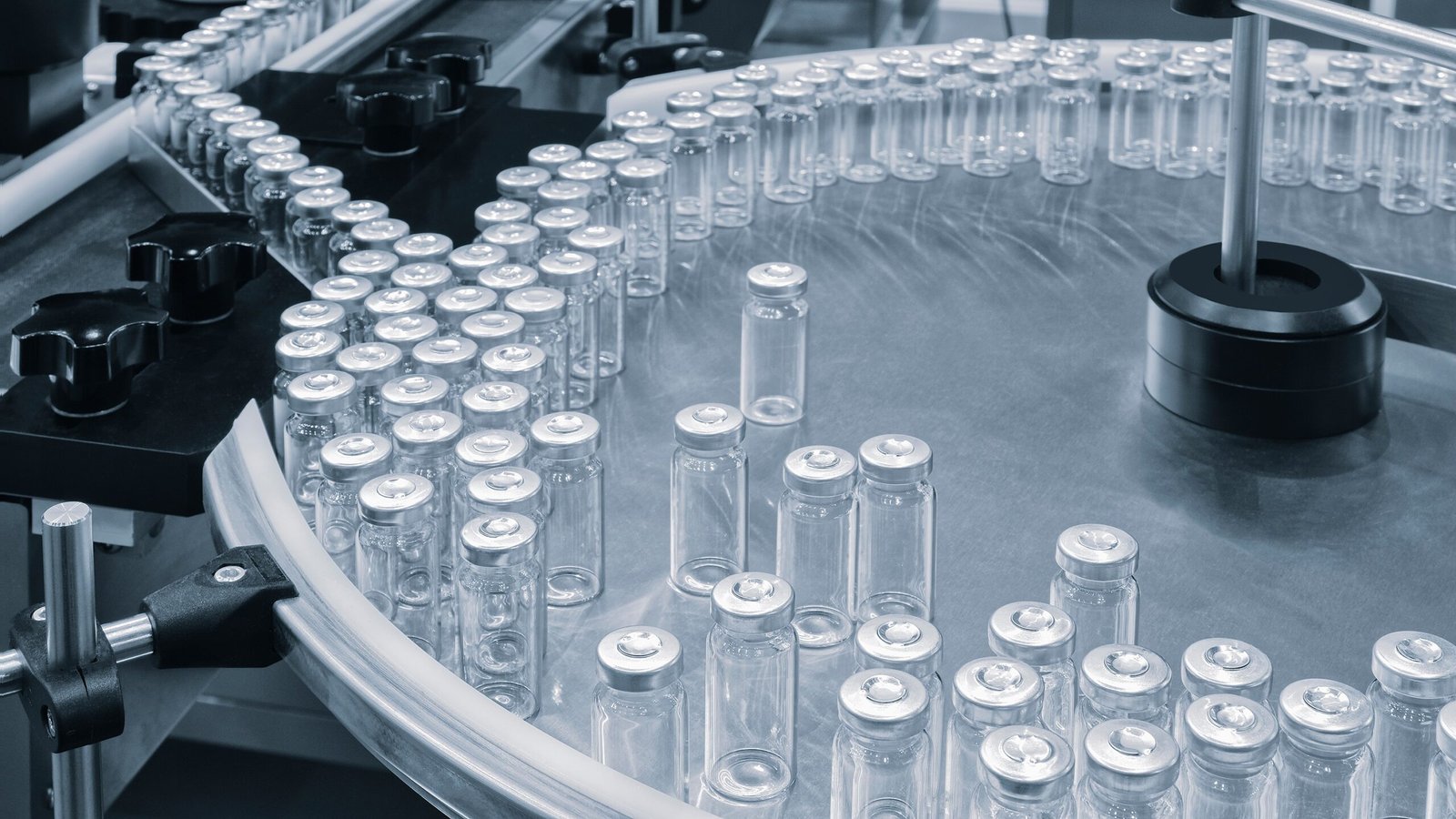
Pharmaceutical plants are built from the inside out. The process decides the rooms, the rooms decide the air handling, the air handling decides the roof and the structure, and only then does anybody draw a wall. An owner who hands a contractor a shell and says make it a drug plant is already in trouble. We approach these projects as an industrial builder that has to deliver a space where cleanliness, flow, documentation and regulatory inspection are as important as the concrete.
We build solid-dose and liquid manufacturing suites, packaging halls, quality control labs, warehouse and cold chain areas, utilities such as purified water and clean steam rooms, and the support buildings around them. Many of these elements are familiar industrial work with tighter tolerances: floors that do not crack, walls that do not shed, penetrations that stay sealed and air that moves in the direction the design requires.
The Pueblo area is not a known pharma cluster, and we will not pretend it is. What it has is land, a skilled industrial workforce, a university in CSU Pueblo with 3,730 students enrolled in fall 2024, and a recent history of regulated, high-consequence construction: the Pueblo Chemical Agent-Destruction Pilot Plant began construction in 2012, began operations in September 2016 and has spent more than $500 million with Colorado companies. Builders here know what documentation and oversight feel like.
Questions to settle before drawings
Start with product and process: oral solids, sterile fill, biologics, API, or devices. Each carries different room classifications, gowning flows, and utility needs. Next, decide whether the building is a shell and core to be fitted out by a specialty vendor, or a turnkey facility. Decide on the validation path and who owns the commissioning and qualification protocols. Those choices set how we phase work, who certifies it and what must be documented.
Site is the other half. Pharma buildings need stable power, clean water and clean air outside the building, away from dust and diesel exhaust. A parcel near a rail line or a heavy truck route has to account for vibration and particulates. Elevation matters for air handling design, and at Pueblo's 4,692 feet, equipment ratings and combustion air calculations differ from sea level values. We flag these to the engineers early.
Building to a validation schedule
Pharma construction is judged in the end by a validation package. We organize the work so that each system, the HVAC, the clean utilities and the room finishes, is installed, inspected, documented and handed over in an order that suits commissioning and qualification. Submittals and material certifications are tracked through a document control system. Welds on process piping are mapped and tested, and inspection records are kept with the system they belong to.
Cleanliness is a construction topic. We run clean-build procedures: protecting duct openings, controlling dust, separating dirty and clean work, and staging materials so that finish work happens in a controlled space. Floors in manufacturing rooms are typically seamless epoxy or similar systems that need a dry, properly cured slab, so moisture testing of concrete and a patient schedule matter more than speed. Our commissioning and turnover process was designed to make this kind of handoff orderly.
Codes, agencies and classifications
A pharmaceutical building answers to several authorities. The local building office reviews structure, occupancy, egress and fire protection under whichever code edition the city or county has adopted. Colorado leaves commercial codes to local government, so the edition depends on the parcel. On top of that sit the owner's quality system and the regulators that inspect the finished process. For the construction side, we focus on dimensional accuracy, material traceability and system documentation.
Some areas fall under hazardous occupancy classes because of solvents, dust or high-pressure gases, and these call for fire-rated separations, explosion control or special ventilation. We coordinate with the fire protection and process safety engineers during design, which is the reason our preconstruction work covers code reviews and constructability early. The energy requirements that follow HB22-1362 also apply, so mechanical design has to be efficient and still meet cleanroom air change rates.
Where pharma sits with our other work
Pharmaceutical and life science projects share traits with food, beverage and advanced manufacturing: sanitary finishes, tight environmental control and heavy documentation. Companies who work in pharmaceutical and life sciences often need us to coordinate with contractors who build adjacent warehouse, utility or lab space. PuebloPlex lists research and development among the uses supported by its redevelopment plan, which keeps technical tenants in the regional conversation.
Workforce matters too. A manufacturing plant that hires technicians relies on regional education, and CSU Pueblo and community programs help build that pipeline.
Safety around process and people
Pharma jobs mix construction hazards with process hazards. During work in an existing plant we follow the owner's cGMP rules, gowning requirements and permit systems. We train workers on the site's hazards, control chemicals used in finishes and sealants, and carefully manage hot work near solvents. Confined spaces, high-pressure piping tests and electrical energization each require their own plans.
Cross-contamination is a safety topic. We enforce material flow rules, sanitize tools and equipment as the owner requires, and keep waste streams separate. Visitors and trades are badged and briefed, since a single uncontrolled entry can compromise a clean area.
Sequencing around long-lead equipment
Air handling units, clean steam generators, purified water skids, autoclaves and process tanks have long lead times, and their delivery dates set the schedule. We lock the equipment list early, review vendor drawings against structure and openings, and plan rigging for the large pieces. Often the building is closed around the equipment by building a temporary opening in the wall or roof, then sealing it afterward.
The final stages are commissioning, qualification and regulatory readiness. Contractors compress, so we build float into the schedule for retesting and rework. A realistic plan includes time for punch list, balancing, cleaning and the owner's own qualification work.
Start with the process, then the walls
If you are weighing a pharmaceutical or life science facility, send the process outline and the site. We will review constructability and schedule and give a budget range. Our design-build service pairs well with this kind of work, and the chemical depot area shows that regulated, documented construction has a recent local history.
Questions and Answers
Do you have experience with cleanroom construction?
We build to the owner's and engineer's specifications, using clean-build practices and documented inspections. If your project needs a specialty cleanroom vendor for modular panels or filtration, we coordinate that vendor within the overall building schedule.
Why does the floor take so long?
Seamless resinous floors need properly cured concrete with limited moisture. Testing and curing can take weeks. Applying a coating too early causes blisters and failures that are expensive to fix.
Can you build in an existing building?
Yes, if the structure, power and clear height allow. We survey the building, review the process layout with the designers and decide whether to build a room inside the shell or modify the shell itself.
Who owns commissioning and qualification?
Usually the owner and its engineer or validation consultant. We support with system documentation, startup assistance and punch work, and we align the construction schedule with their protocols.
How should we think about site selection here?
Check utilities, truck access and nearby sources of dust or vibration. The Pueblo area offers land and highway and rail access. We can review parcels with you and flag the issues that would affect air quality, power and expansion.
Related
Ready to talk about your project?
Tell us about the site, the heaviest loads and the date that matters. We will review the scope and follow up with next steps for your Pueblo project.