
Industrial Construction Services
Phased Construction on Occupied Industrial Sites
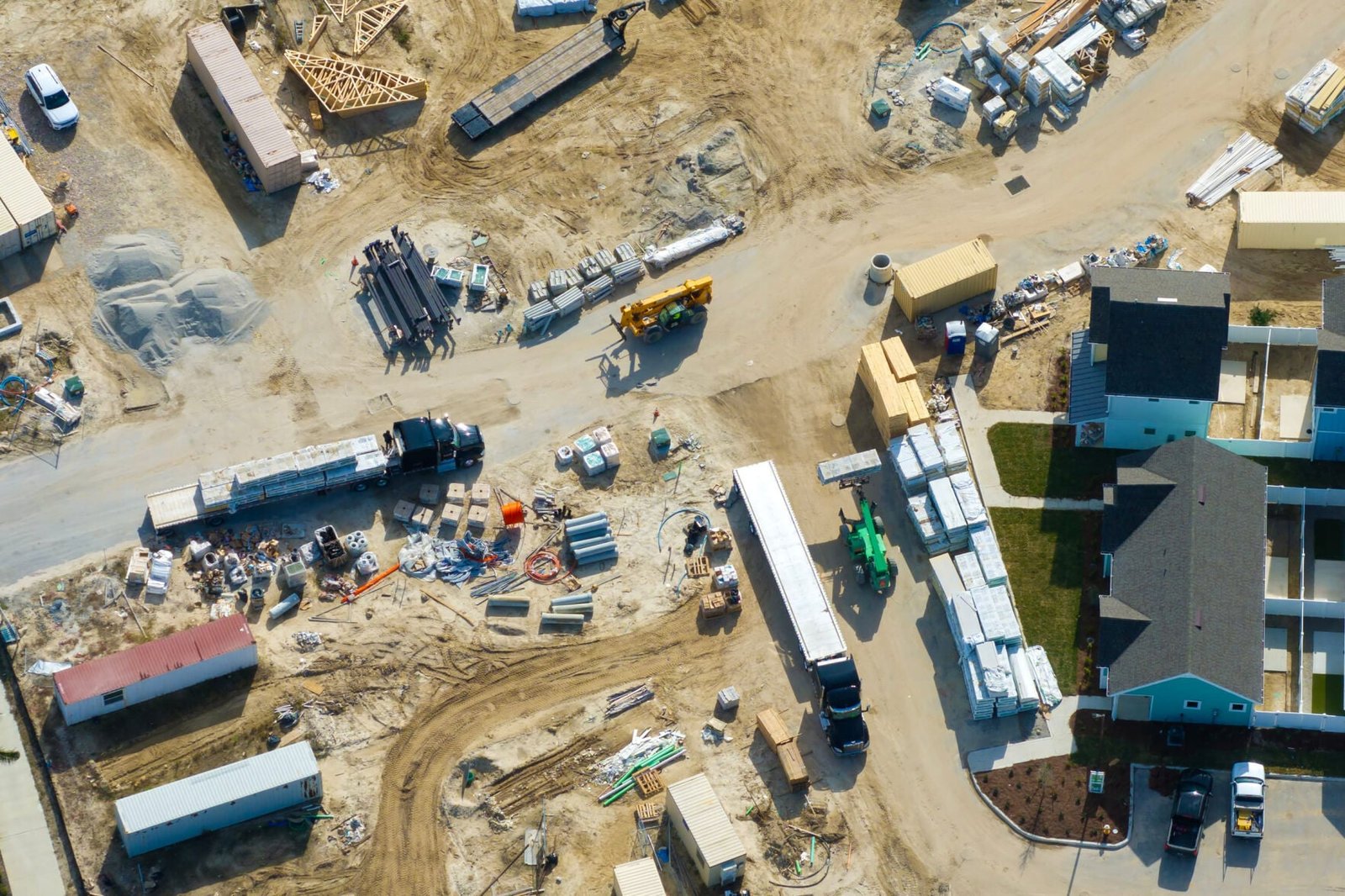
Most plants cannot afford to stop, and the Pueblo steel works is a good picture of why. Its electric-furnace steel, rail, rod, bar and seamless tube mills remain in operation, and the city lists the company at 931 employees. Construction on or near a site like that takes place around a living operation that ships product every day.
We build on occupied industrial sites by treating the operating plant as the first constraint, not an afterthought. Before we draw a phasing plan we spend time with your operations team to learn where forklifts run, where trucks queue, when shifts change and which utilities cannot be interrupted. The plan reflects that, and it is written so your shift supervisors can read it.
Our work covers additions to existing buildings, new process lines inside live plants, yard and dock upgrades, utility upgrades and demolition near active areas. Each carries a different set of risks, and each gets a plan that matches.
Keeping your people and ours apart
Separation comes first. We establish fenced work zones with dedicated gates, mark pedestrian routes, and coordinate crane swing and rigging paths so no load passes over an occupied area. Our superintendent attends your safety meetings, and your safety lead has access to our site orientation and hazard plans.
Hot work, confined space entry and lockout are handled under your permit systems where you have them, and under ours where you do not. We do not touch an energized line or a process pipe without a signed release from your authorized person. Dust, noise, vibration and fumes get controlled at the source, with air monitoring where the process is sensitive.
Every worker we bring on site gets the same orientation: where the emergency exits are, which areas are off limits, what the plant alarms sound like and who to call. Subcontractors are held to the same rules, and a crew that ignores them is removed from the job. The point is not paperwork. It is that a forklift driver who has never met the ironworkers on our job still knows what a barricade means.
The kinds of work we phase
Common phased projects include bay extensions, new equipment pads and trenches, loading dock additions and rebuilds, yard paving between active routes, and utility tie-ins. Each of these often needs site utilities work done in short windows, and we prefabricate piping and conduit offsite so the live connection takes hours, not days.
Where we cut into an existing slab or wall, we scan first. Ground-penetrating radar and utility locating reduce the chance of hitting a hidden duct or line, and we mark everything on the floor before saws or breakers start. Dust walls and negative air keep debris out of the production space.
Phasing, shutdown windows and handoffs
A phasing plan breaks the project into steps that each leave the plant in a safe and functional state. We name the shutdown windows, list what must be ready before each one begins, and rehearse the critical ones on paper. When a window is 48 hours, the preparation takes weeks.
At the end of each phase, we hand over a cleaned and tested area with documentation. This is part of how we approach industrial renovations and modernization, where the work often continues for months and the facility must be able to use finished sections while we move on.
Traffic, noise and the neighbors
Contractor traffic competes with product shipments, so we agree on gate use, hours and staging before the first truck arrives. Where possible, we set up a separate construction entrance. If we share a road, we place flaggers and coordinate heavy deliveries away from shift changes.
Multi-tenant parks bring another layer. The PuebloPlex campus has more than a dozen tenants in aerospace and defense, railroad and research and development, and it rents over 1,000 earth-covered magazines for storage. Work on a campus like PuebloPlex touches roads and utilities shared by neighbors, and we notify them in advance with a written schedule.
Sequencing around production calendars
Many plants have slow seasons, planned outages or weekend shutdowns. We use those windows for the work with the greatest impact and schedule quieter tasks around regular operations. If your production calendar changes, our schedule moves with it, and we tell you what each change costs.
We update the look-ahead weekly and share it with operations, maintenance and safety. When something slips on either side, everyone knows before it affects a shift.
Procurement is tied tightly to phasing. A tie-in window only works if the pipe, the switchgear or the steel is on site and checked beforehand, so we link each outage to the long-lead procurement schedule and refuse to start a shutdown until every piece is staged.
Where phased work shows up most
Phased work is most common in a manufacturing plant adding a line, in a food and beverage processing facility where sanitation rules limit access, and in distribution buildings extending docks while trucks keep moving. In each case the work must be clean, fast and quiet.
Owners in food and beverage production add the demands of washdown surfaces, temperature control and inspection access. We plan for these from the start and coordinate with your quality team, including material approvals, cleaning procedures and pest control rules that apply inside the building envelope.
Tell us what cannot stop
List the lines, the shifts and the access routes that must stay live. We will build a phasing plan around them and show you every planned interruption before work starts.
Questions and Answers
How do you keep dust out of our production areas?
We erect sealed barriers with negative air machines, use dust-controlled cutting and drilling, and clean the zone at the end of every shift. For sensitive processes, we measure particulates and agree on limits in advance. If a reading goes over the limit, work stops until it is corrected.
Can work happen on nights or weekends?
Yes. Many tie-ins are best done during a weekend or planned outage. We staff those windows with experienced crews, stage materials beforehand and prepare a minute-by-minute plan. The extra labor cost is shown in the estimate so you can weigh it against the cost of lost production.
Who decides when a utility can be shut down?
You do. We request each shutdown through your designated contact, list the systems and areas affected, and state how long we need. Nothing is isolated until your authorized person signs the release, and nothing is restored until the area is verified safe.
What if we find something unexpected in an old building?
We stop, document it and bring you options. Older industrial buildings often hide abandoned lines, undocumented footings and changes made over the years. Our scanning before cutting reduces the chance of surprises, and an agreed allowance covers the ones that remain.
Will phasing cost more than building on a vacant site?
Usually yes, because of shift-limited work, protection and extra coordination. It almost always costs less than shutting down production. We show the premium by phase so you can decide where phasing is worth the expense.
Related
Ready to talk about your project?
Tell us about the site, the heaviest loads and the date that matters. We will review the scope and follow up with next steps for your Pueblo project.