
About
About Industrial Contractors of Pueblo
Industrial Construction in Pueblo and the Arkansas Valley
Pueblo builds heavy things. Steel comes out of the mill on the south side, rail gets rolled in lengths up to 480 feet where the old limit was 80, and wind tower sections come out of a plant of nearly 700,000 square feet. Industrial Contractors of Pueblo builds the structures, slabs, yards and roads that kind of work depends on, and we try to talk about it the way the work gets done: plainly.
We are a general contractor for industrial projects in Pueblo and the Arkansas Valley. We do not dress that up. If you run a supply operation that needs a crane bay, a fabricator that needs a slab that will not crack under a loaded forklift, or a logistics tenant that needs truck court and dock aprons before the busy season, you are the kind of owner we work for.
You will not find awards, famous names or job counts on this page. What we can tell you is how we price, what we build, where we work, and what the ground and the weather in this valley do to a schedule.
Heavy comes before pretty
Industrial buildings in Pueblo are judged by what they carry. A rail mill, a fabrication shop or a wind tower plant moves steel by crane, by truck and sometimes by train, and every one of those loads ends up in the ground. So we start from the load path. How heavy is the heaviest lift, where does it travel, what does it set down on, and how often?
That thinking drives the building. A crane-ready high-bay building needs runway beams, column footings and a floor that are designed together, not bought separately. A slab in a heavy shop needs the right thickness, reinforcement, joint layout and subgrade preparation, and we ask for the geotechnical report before we price, because guessing at soil is how change orders happen. Equipment pads and drilled piers get their own details. Roofs get sized for the loads that hang from them.
Outside the walls, the same rule holds. Our heavy-haul access roads are designed for the truck that will actually use them, with pavement sections and turning radii to match, and our rail spur site work covers the subgrade, drainage, crossings and pads around a track that a railroad-qualified contractor lays. Pueblo has freight rail service, I-25 and US 85 on one route, and US 50 running east and west. Sites here often depend on at least two of those, and the yard has to work for both.
What we ask on day one
Before we talk about price, we want answers to a short list of questions. They are the same whether you call about a new plant or a repair to an old one.
- What is the heaviest piece of equipment, and what is the heaviest load a floor or road has to carry?
- How does material arrive and leave: truck, rail, or both, and how many movements per day?
- Will the building be a new shell, an addition to a running plant, or a rebuild of something already standing?
- Which utilities are in the street, which are on the site, and who owns the capacity?
- What is the date that matters, and what happens to your business if it slips?
- Who on your side can make decisions, and how quickly?
From the answers we write a short scope, a budget range and a list of the things that could move it. If the project should be phased, or if a different structure type would save you money, we say so. Pueblo owners tend to run lean operations, and they do not need us to spend their money on things that do not hold a load.
The mill, the airport and the depot
Three parts of the Pueblo area carry most of the industrial story, and we work in all of them. The Minnequa steel mill area on the south side began producing steel in 1881, and the electric-furnace, rail, rod, bar and tube mills there still support a supply chain of fabricators, haulers, welders and yards. Work near the mill is usually about access, clearance and keeping existing operations alive.
East of town, the Pueblo Memorial Airport industrial park sits on a 3,872 acre airport six miles from the city, next to US 50 and about five miles from I-25. Its longest runway is 10,498 feet, and the city lists 40 acres available for development with direct taxiway access. Hangars, aviation support buildings and light industrial space fit here.
Farther east, PuebloPlex is the former Army depot being turned into an industrial campus. A 1,111 acre parcel became PuebloPlex property on September 24, 2025, the redevelopment plan supports manufacturing, technology, logistics and rail-related uses, and the site already has more than 1,000 earth-covered magazines in storage service. The Transportation Technology Center nearby has about 48 miles of railroad track, and the depot itself was decommissioned in September 2024. Working there means old buildings, new utility demands and a lot of acreage, which suits a contractor who starts with a site plan.
What we build, and for whom
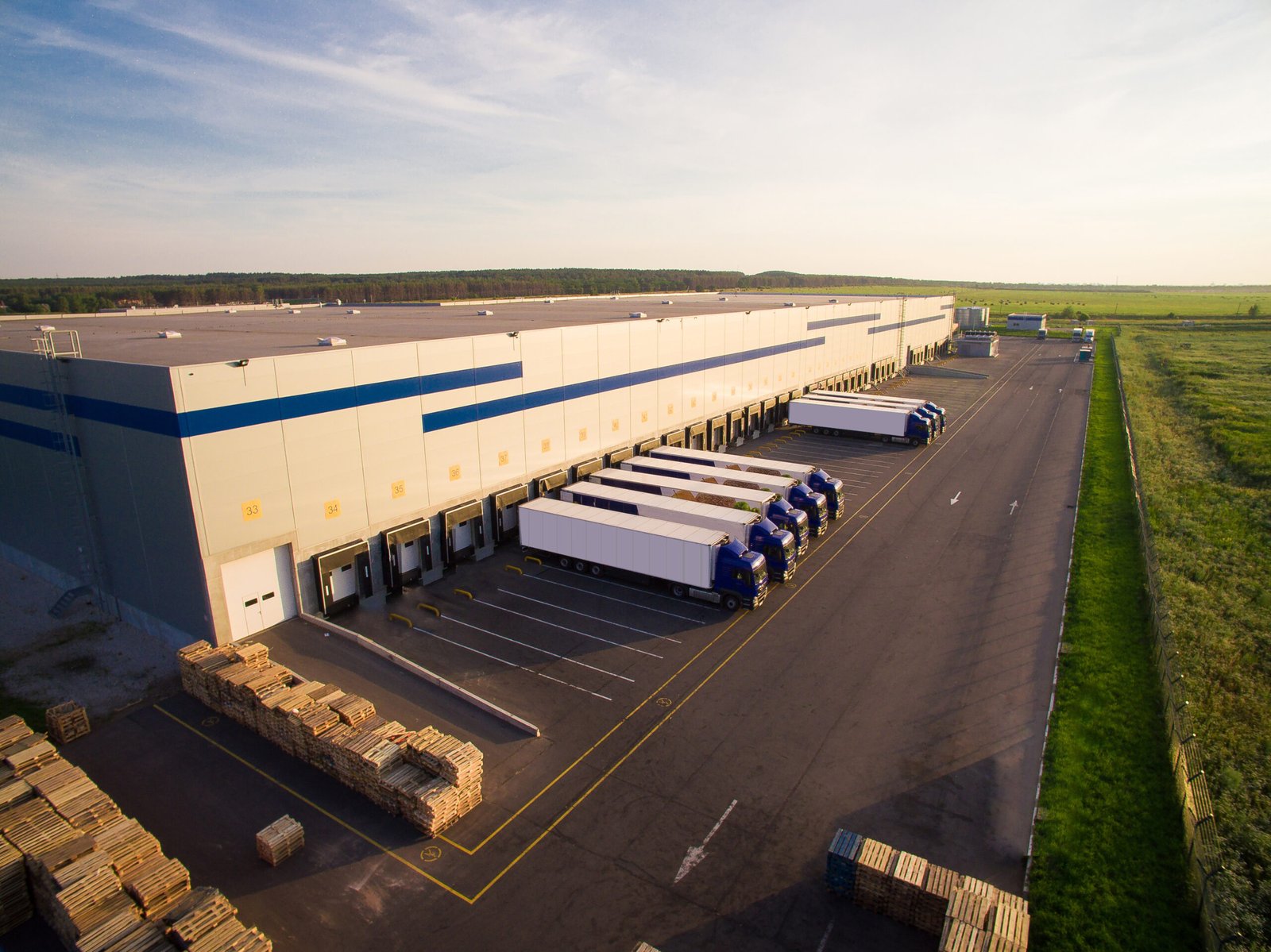
Our core work is manufacturing plants, warehouses, distribution and cross-dock buildings, steel and metal building shells, maintenance shops, fleet facilities and the yards that serve them. We also take on demolition and slab replacement, mezzanines and catwalks, industrial office buildouts and tenant improvements. Our clients are mostly owners and operators in metals and heavy industry, plus energy, logistics, food, defense-adjacent and advanced manufacturing users who have outgrown a leased building.
The Pueblo market has one more point in its favor. The city of Pueblo states that commercial and industrial construction costs about 10 to 15 percent less than the national average, and says commercial approvals in its downtown Opportunity Zone currently take about 75 days. We treat those numbers as context, not a promise, since each project has its own scope and review. But they are a reason owners keep choosing to build here, and they are a reason we plan permitting carefully.
Up and down the valley
We work well beyond the city limits. Pueblo West, seven miles west along US 50, has a North Industrial Park and 33,086 residents at the 2020 census. Pueblo Boulevard and State Highway 47 give northern and southern Pueblo loop access to I-25 and the airport. West along the river, Canon City and Florence tie into corrections and government facilities. Penrose and Fowler sit along US 50 and the Arkansas, and Rocky Ford and La Junta sit farther east, where agriculture and freight rail define the economy. South on I-25, Walsenburg is 48 miles from Pueblo and Trinidad is a further 36, both on the interstate and both with rail service.
Small towns have their own constraints: thin utilities, longer material hauls and a smaller pool of trades. We plan for them by pricing mobilization honestly and by arranging deliveries so crews are not standing around.
Ground, water and weather
Pueblo sits at 4,692 feet on the Arkansas River, and the river has made its point before. The 1921 flood was the largest in the city's history, sending water as deep as 18 feet through downtown. The river was rerouted afterward, and Pueblo Dam now holds back up to 489,116 acre-feet. The lesson for builders is that drainage and finished floor elevations are not details. We design them early.
The Pueblo Regional Building Department lists the 2021 International codes and the 2023 National Electrical Code as currently in effect for Pueblo and Pueblo County, and Colorado sets building codes city by city and county by county, so outlying towns may differ. We confirm the rule set for every address, then build the permit package to match.
Questions from Pueblo Owners
Do you only work in Pueblo?
No. We work throughout Pueblo County and the Arkansas Valley, including Pueblo West, Canon City, Florence, Penrose, Fowler, Rocky Ford and La Junta, and along I-25 at Walsenburg and Trinidad. We confirm local code and review requirements for each town before we price.
Can you build a slab for heavy equipment?
Yes. Slab thickness, reinforcement, joint spacing and subgrade preparation all depend on the loads, so we ask for your equipment list and a geotechnical report first. The design is then done with your engineer so that the slab matches how the shop will really be used.
Do you handle rail-served sites?
We build the site side of a rail connection: subgrade, drainage, crossings, pads and the roads that meet the track. A railroad-qualified contractor lays the rail itself, and we coordinate clearances and schedule with them and with the carrier.
What does a first conversation look like?
A short call about the equipment, the loads, the site and the date that matters, followed by a site visit. After that we send a written scope and a budget range with the assumptions behind it, so you can compare it with what you expected.
Talk With Our Team
Tell us about the site, the building and the schedule.