
Industrial Construction Services
Ground-Up Industrial Construction in Pueblo, Colorado
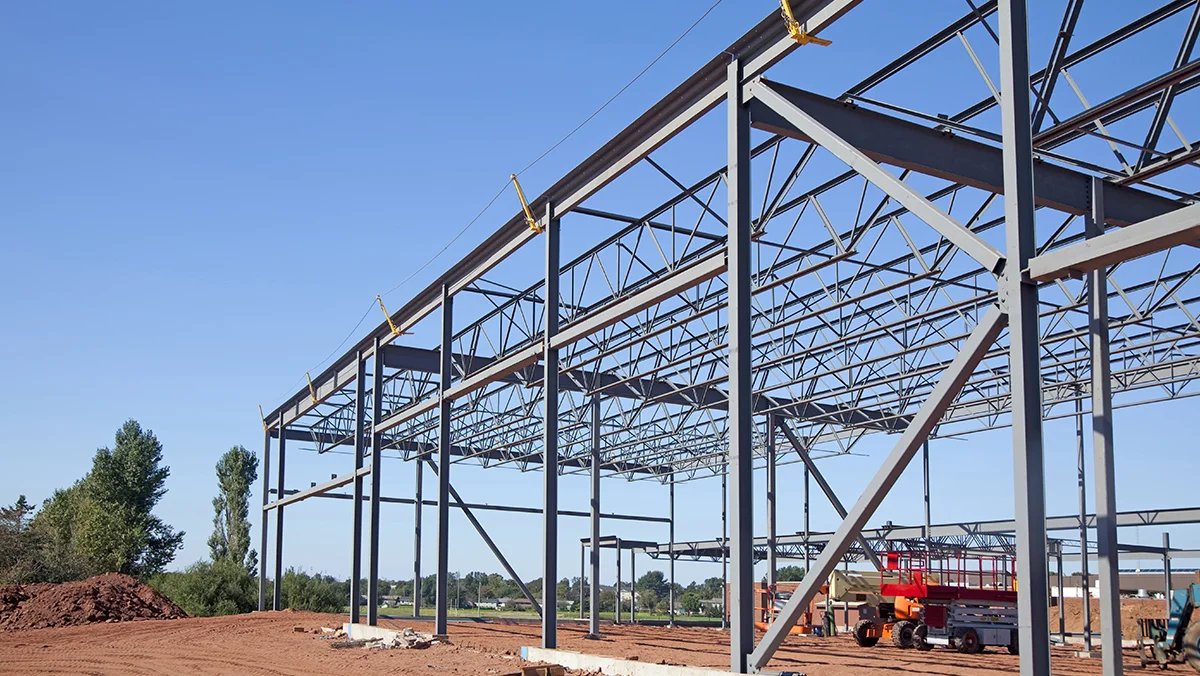
A new plant in Pueblo starts the same way every time: a survey stake, a soil boring and a long look at how trucks, rail and water reach the parcel. Before anyone talks about a building envelope we want to know where the heavy loads travel, where storm water leaves the site and which agency signs off on each step. Plants that skip that conversation pay for it later in change orders and idle crews.
We build industrial facilities from bare ground for owners who run real equipment, not just store product. That means the building is the smaller half of the job. The larger half is the earthwork, the underground, the pads that carry presses, furnaces and mixers, and the apron that keeps a loaded trailer from rutting the yard in March. We carry all of it under one schedule, and we bring preconstruction work to the table early so the numbers hold when the drawings are done.
The Pueblo market rewards builders who understand heavy industry. The mill on the south side, the wind tower plant and the airport industrial park have shaped what local crews and suppliers expect from a plant project, and we write our schedules with those expectations in mind.
What the Pueblo market already knows how to build
The city of Pueblo lists the St. Charles Industrial Park, an Opportunity Zone with rail freight access, and states that commercial and industrial construction costs about 10 to 15 percent less than the national average. We take that as a starting point, not a promise: the savings show up only when the site is chosen well and the design does not fight the ground. A parcel with rail access and decent grades beats a cheap parcel that needs six feet of import fill.
The scale of local plant work is real. The solar-powered rail mill at the steel works was reported at $500 million with about 800 construction jobs, and the wind tower maker out at the wind tower plant area broke ground in 2023 on a 900,000 square foot expansion. Projects that size draw on the same pool of ironworkers, operators and truckers you will need, so we arrange trade labor and site equipment early rather than hoping the calendar clears for us.
What a ground-up plant job includes
We start with clearing and mass grading to set the building pad, the truck routes and the drainage falls. Then comes the underground: site utilities, fire water, electrical duct and process lines, all in the trench before the first slab is placed. Foundations follow, from spread footings for a light bay to drilled piers for crane columns, and then structural steel or tilt-up walls depending on the building.
Interior work in a manufacturing plant is driven by the process. Floors are poured to the flatness and thickness the equipment needs, trenches and sumps are cast in place, and crane runways are surveyed before any rail is bolted. We hand the owner a building that is ready for equipment setting, not a shell that still needs rework to take the load.
Sequencing the work so the yard is never the bottleneck
Most delays on a new plant trace back to the yard. If the access road is soft, delivery trucks stop at the gate and the steel erector waits. So we build the haul road and laydown area first, with enough base to carry loaded deliveries, and keep the underground crews ahead of the foundation crews by a clear margin. We would rather spend two extra weeks on site preparation than lose six during erection.
We also keep a single weekly look-ahead that covers earthwork, concrete, steel and the owner's own equipment vendors. When your millwrights need access to a bay, they see the date on the same sheet our superintendent uses. For plants that must keep running next door, we pair this with phased construction on occupied sites so new work and live operations share the property without surprises.
Schedule drivers on a Pueblo plant
Weather, long-lead equipment and inspections set the critical path. Pueblo sits at 4,692 feet, with cold mornings and wind through the winter, so we plan slab pours, masonry and exterior coatings around temperature windows instead of calling them at the last minute. Concrete heat, blankets and enclosures cost money, and we price them up front.
Steel, switchgear, overhead cranes and process vessels often run longer than the building itself. We track those orders from the day of award through our approach to long-lead procurement, and we set the erection start to the delivery date, not the other way around. That discipline is the difference between an owner moving equipment in on time and one watching an empty building.
Where the money goes
Three items move a plant budget more than anything else: site conditions, building height and clear span, and the electrical service. A tall, crane-ready building costs more per square foot than a low warehouse, and a large service with new utility-side work can take months to arrive. We show those drivers separately in our estimates so you can see what a taller eave or a bigger transformer actually adds.
Site civil is the line most often underestimated. Detention, grading, paving and fire lines easily account for a large share of a first-phase budget, particularly on parcels without existing utilities. If you are comparing a new build with a retrofit, our work on industrial renovations and modernization gives you the other side of that math.
Send us the site and the process
Give us the parcel, the equipment list and the date production has to start. We will walk the ground, tell you what it needs before a building can sit on it, and give you a sequence you can hold us to.
Questions and Answers
How long does a ground-up plant take in the Pueblo area?
It depends on the process and the electrical service more than the building footprint. A simple metal-framed production building can move from site work to equipment setting in a single construction season if the permit review is clean. A plant with heavy foundations, crane bays and new utility service runs longer, and the long-lead equipment usually sets the finish date. We build the schedule backward from your start of production and tell you early which orders control it.
Do we need a design-build contract or can we bring our own engineer?
Either works. If you already have an engineer of record and a process design, we price from those drawings and coordinate with the design team. If you want one contract for design and construction, our industrial design-build approach puts the engineer, estimator and superintendent in the same room from the start. The right choice is usually the one that matches how much of the process is already frozen.
How do you handle permitting for a new plant?
Pueblo and Pueblo County enforce the 2021 I-codes and the 2023 National Electrical Code, and the city has said commercial approvals take about 75 days. We submit complete packages, answer review comments quickly and schedule inspections around pours and backfill. Where a parcel sits in a different jurisdiction, we confirm the adopted edition before the drawings are issued, since Colorado codes are set locally.
What happens if the soil turns out worse than the report?
We read the geotechnical report with the foundation designer before we price, and we carry an allowance for unsuitable material where borings are widely spaced. If an unexpected condition shows up, we document it, bring the engineer to the excavation and price the fix against the allowance. Surprises in the ground are normal, and what matters is that you see the evidence and the options the same day.
Can you work with the local mills and plants as neighbors?
Yes. Heavy haul traffic, rail crossings and shared roads are part of how this valley operates, and we coordinate delivery windows and flaggers so the construction trucks do not block neighboring shifts. We also keep the yard clean enough for rail and truck crews to pass safely. Our metals and heavy industry experience helps us read what a neighboring operator needs from the road.
Related
Ready to talk about your project?
Tell us about the site, the heaviest loads and the date that matters. We will review the scope and follow up with next steps for your Pueblo project.