Industries
Metals and Heavy Industry Construction in Pueblo, Colorado
Steel started coming off the south side of Pueblo on April 12, 1881, and the mill there has gone by Minnequa Works, Rocky Mountain Steel Mills and, since January 2007, an EVRAZ name. The electric-furnace steel, rail, rod, bar and seamless tube mills are still running, with 931 employees on the city's 2023 list. If you build for metals and heavy industry in Pueblo, that mill is the standard everyone measures against, and it is a hard one: crane bays you can lose a house in, foundations that carry rolling mills, and schedules set by furnace outages.
The newest chapter is the long-rail mill, reported at $500 million with about 800 construction jobs, about 300 permanent jobs and a 240 megawatt solar field. It can roll rails up to 480 feet long, where the old limit was 80. That kind of capability changes what the rest of the yard has to handle: longer runout tables, longer rail cars, longer foundations. We build for mills, foundries, fabricators and suppliers who work in that world.
Heavy industry work is mostly about doing plain things correctly while the plant keeps running next door. We say that to every owner who calls.
Foundations and concrete are where we start
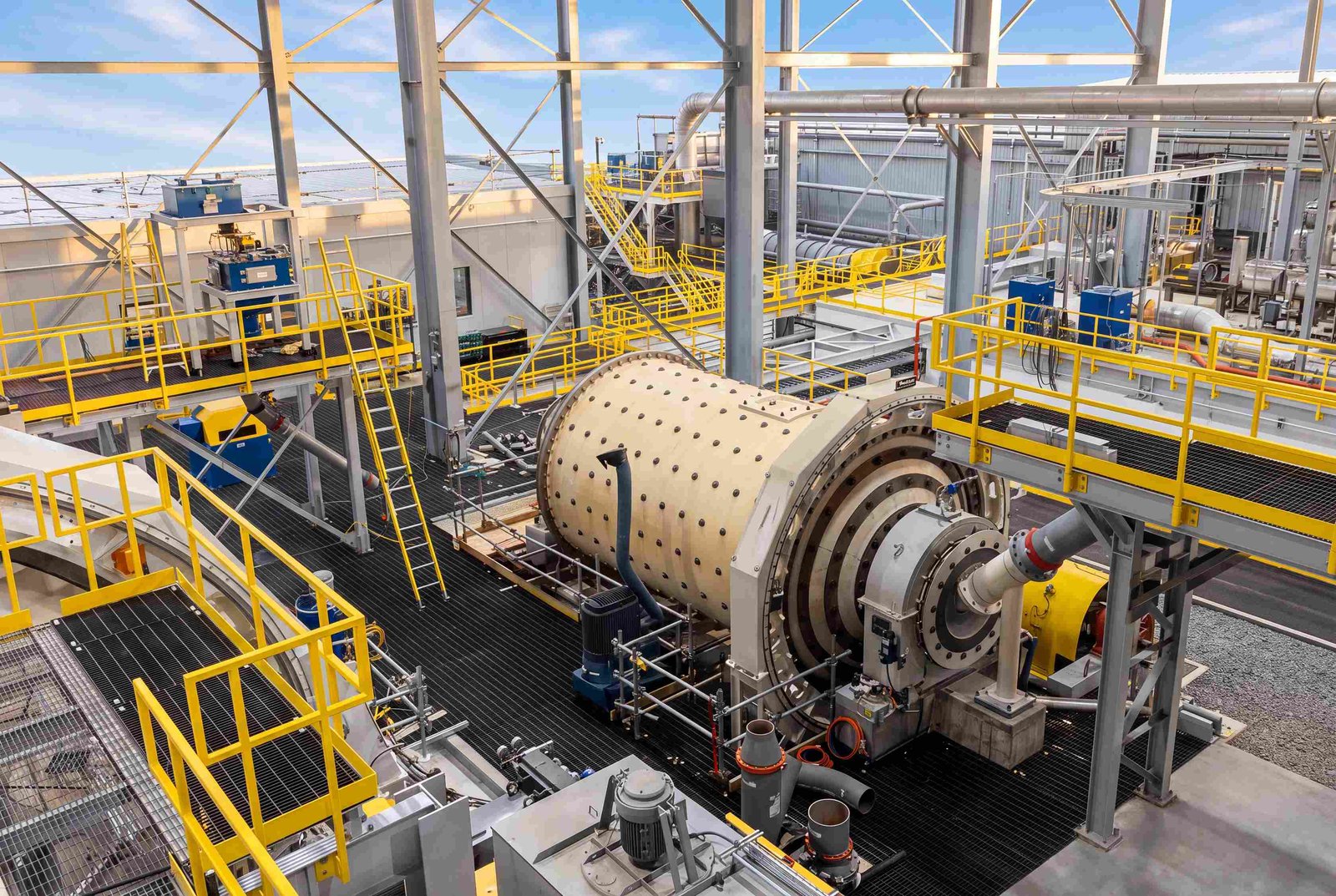
Mill equipment sits on mass concrete. Rolling stands, furnace pedestals, crane runway columns, scale pits and slag handling areas need foundations that are thick, heavily reinforced and placed in a controlled sequence. We schedule and inspect the excavation, forming, rebar and placement, and we pay attention to heat of hydration in large pours. Our equipment pads and foundations work includes embeds, anchor bolt templates, grout and the tolerance that an equipment vendor requires.
Where soils are poor or loads are concentrated, we install deep foundations and piers. We also build the less glamorous things a mill needs: trenches for water and cable, containment for oil and coolant, truck scales and the haul roads that carry slag and scrap. These are the jobs that make or break a shutdown schedule.
Why the mill sets the pace for Pueblo
The Colorado Fuel and Iron mill grew with the city, and the electric-furnace plant today is still the region's industrial center of gravity. The rail mill project showed both the scale of work and the risk. A contractor was released from the job on January 3, 2023, ending employment for 666 contract workers, about 150 of them from Pueblo, after the owner's subsidiary sued over delays and cost and cited damages above $130 million. Published figures for the project differ, with one report at $500 million and another at $302 million.
We do not comment on that dispute. We note it because it tells a buyer what matters on a mill job: clear scope, honest schedules, early identification of delay and a contractor who stays on the site. Metals work is a market where owners remember who stayed on the job and who did not.
What a metals owner asks us to build
Typical scope runs across new bays for fabrication, extensions to existing buildings, crane-ready structures, scrap and material yards, rail loading areas and support buildings for maintenance. We erect structural steel for long-span bays and coordinate crane rails and runway beams, and we build the pavement and drainage that carry loaded trucks and heavy forklifts. In a plate shop or fabrication building, the floor takes point loads from stands and tables.
Demolition belongs here too, because mills expand into old space. Taking out a decommissioned building, a slab or a pit is not a quick job, and it has to be done without damaging adjacent operating equipment. The industrial demolition crews we coordinate plan removal in sections, control dust and keep haul routes open for the plant.
Building inside a running plant
Working in an active mill means hot metal, overhead cranes, rail traffic and electrical hazards in the same space. We start with the plant's own safety program and add ours. Daily coordination with operations, a permit for every hot work and confined space entry, and a clear rule on who owns the crane and the road at any moment are basics. Our supervisors walk the area with the plant's representatives before work begins and again at shift change.
Rail is part of the plan. Pueblo is served by BNSF and Union Pacific, and we coordinate any work near or across track with the rail operator. Where a rail project is the goal, our rail spur site improvements cover grading, drainage and crossings.
Outages, shutdown windows and the mill calendar
Many of the jobs we do for heavy industry are tied to a scheduled outage. A furnace reline, a mill shutdown or a holiday week gives a short window to finish work that cannot be done while the plant runs. Everything that can be prebuilt and staged happens ahead of time, and the crew size on the day is set by the work, not by the budget.
We hold a float for weather, deliveries and the surprises that come from opening old ground. Old industrial ground often hides fill, buried utilities and structures that are not on current drawings. We investigate before shutdown and keep a contingency crew and equipment on call for the window.
Where metals work meets other sectors
Fabrication links the mill to other industries. Rolled steel plate is what wind towers are made from, the CS Wind plant area sits in the same industrial belt, and a fabricator can serve both energy and rail customers. If you build products from rolled steel, read about our advanced manufacturing work, and if your plant makes its own power or handles heavy loads, see the utilities and power page.
The Minnequa and south side steel mill area is where much of this happens, and a manufacturing plant built for heavy product is the common type. We are glad to look at your specific bay, runway or yard before you finalize a design.
Tell us the bay, the load and the outage date
Send the equipment weights, the shutdown window and the building or yard you need. We will walk it with your operations people and tell you what the work and the schedule look like.
Questions and Answers
Can you work inside an operating steel mill?
Yes. We follow the plant's safety and permit systems, coordinate with operations daily, and plan work around outage windows and traffic. Work near hot metal, cranes and rail needs discipline, and we plan the crews and equipment to fit. We would rather lose a day to proper coordination than lose a week to an incident.
Do you build foundations for rolling stands and furnaces?
We build the concrete: excavation, forms, rebar, embeds and placement. The foundation design comes from the equipment vendor or the owner's engineer, and we build to their tolerances. Mass pours need a plan for heat control, curing and sequence, which we prepare and review with the engineer.
What did the rail mill teach the market?
That a large mill project has little room for disputes about delay and cost. Reported figures differ, and a contractor left the site in January 2023 with hundreds of workers released. For owners, the lesson is to define scope carefully and to choose contractors who communicate delay early. We bring that discipline to every job.
Do you handle scrap yards and material handling areas?
Yes. Scrap, slag and stock yards need pavement that holds up under heavy equipment, drainage that handles runoff and often containment. We design the base, drainage and surfacing with the yard's loads, and we build the roads that link them to the mill and the highway.
Related
Ready to talk about your project?
Tell us about the site, the heaviest loads and the date that matters. We will review the scope and follow up with next steps for your Pueblo project.