Industries
Utility and Power Infrastructure Construction in Pueblo, Colorado
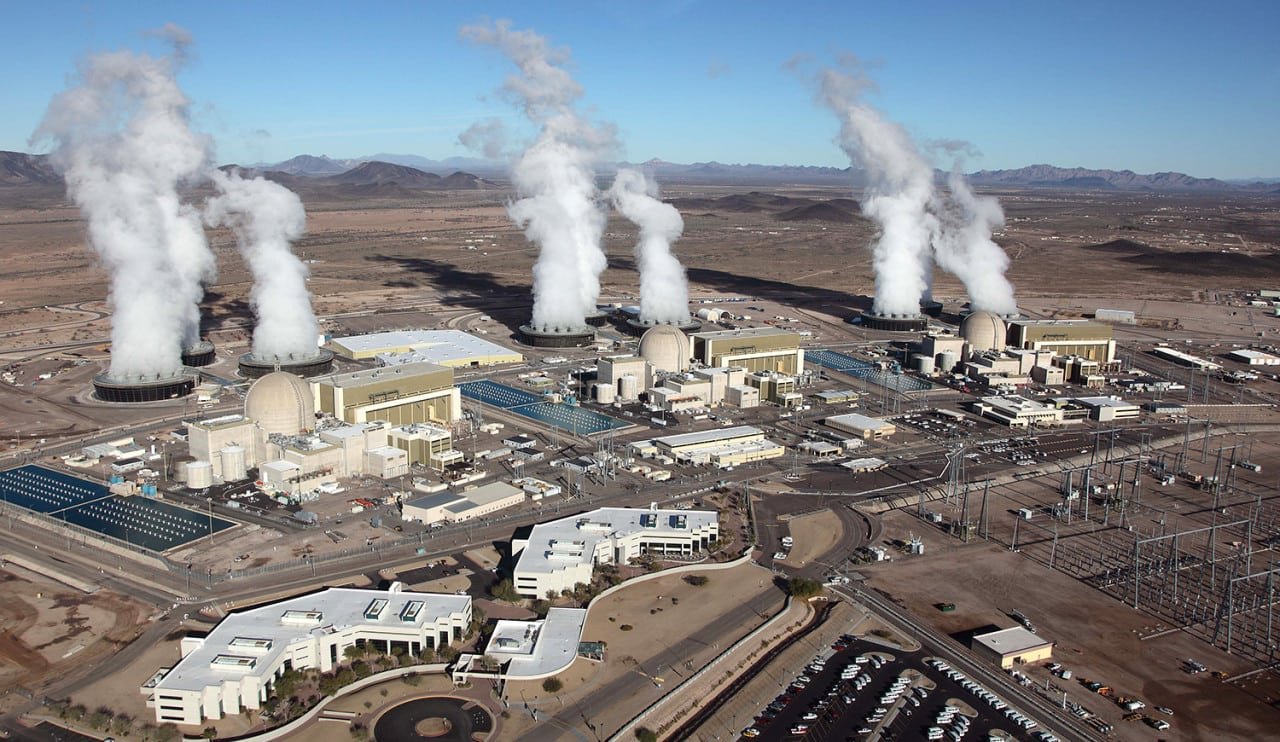
A 240 megawatt solar field is part of the long-rail mill project on Pueblo's south side, and a 230 mile pipeline from Pueblo Reservoir to Lamar and Eads, serving communities in the Arkansas Valley, broke ground in 2020. Those two projects frame what utility and power owners need here: a lot of dirt moved, a lot of trench opened, and a lot of concrete placed in places where nobody has a building. The work is spread out, public in places and private in others, and it depends on access roads, laydown space and crews who understand how underground utilities fail.
We build for utility owners, independent power producers and large industrial customers who need their own power or water infrastructure. That means substation pads and grounding grids, duct banks, equipment foundations, access roads, fencing and stormwater control. It also means working around existing facilities: the steel mill, the rail test center and the dam are all operating assets that cannot stop for a contractor.
We keep the scope civil and structural, and we work with the electrical and mechanical contractors the owner selects.
Power and water are the big builds in the valley
Two things stand out in this market. The first is that heavy industry in Pueblo has always been a large electrical consumer: the electric-furnace steel mill remains in operation, and the rail mill expansion brought its own solar field. The second is the Arkansas Valley Conduit, which broke ground at Pueblo Dam on October 3, 2020 with an estimated cost of $564 million to $610 million. Both involve long linear work and heavy equipment staging.
The dam itself is a reminder of scale. Pueblo Dam is a buttress concrete dam 250 feet tall and 10,230 feet long, built across the Arkansas River from 1970 to 1975. Access to Lake Pueblo is managed through a state park of 10,279 acres with 60 miles of shoreline, so construction there involves environmental controls and public access considerations that we plan for from the start.
Earthwork, trench and concrete under one plan
Utility work is mostly earth and concrete. We coordinate site clearing and mass grading for substations and solar fields, trench and backfill for conduit and pipe, and forming and placing the concrete for pads, vaults and duct bank encasement. We survey as we go, because underground utilities are expensive to correct when they are off by a foot.
Large solar and equipment sites need stabilized laydown yards for delivery of modules, racking, transformers and breakers. We build them with the right base for heavy deliveries and the drainage to keep them usable after rain. A flooded laydown yard delays everything, and the cost of fixing it is higher than the cost of building it right.
Working around live assets and the public
Most utility work happens near something that cannot be shut off. A substation expansion may be adjacent to energized equipment. A new pipeline may cross a county road or a rail line. Pueblo has BNSF and Union Pacific lines, and the Transportation Technology Center northeast of the city has a site of 30,000 acres with approximately 48 miles of railroad track, so crossings and clearances are a regular topic. We plan them with the owner and the railroad well ahead of the dig.
Underground work needs locating and potholing before trenching, and it needs a plan for what the crew will do when they hit something that is not on the drawings. We keep a plan for temporary traffic control, dewatering and trench protection. Our electrical duct bank work follows the engineer's profile, and we document as-built elevations.
Weather windows, outages and procurement
Utility schedules are controlled by outages and long-lead equipment. A transformer can take longer to arrive than the rest of the project takes to build, so we order the foundations and the grounding grid to match, not the other way around. If the owner has an outage window for tie-in, everything else is planned backward from it, and we hold the crews and the crane for that date.
Weather matters in a different way than it does for a building. Trenches and open grading are vulnerable to storms, and large sites need erosion control in place before the first cut. The site utilities package we build for plants follows a similar sequence, and the lessons carry across.
Permits and the energy rules that shape the work
Colorado's HB22-1362 requires any county or municipality updating a building code after July 1, 2023 to adopt an energy code at least as strict as the 2021 IECC together with the state model electric and solar ready code. For owners building power infrastructure, that is context: new buildings in the region are required to be designed electric and solar ready. Pueblo and Pueblo County use the 2023 National Electrical Code.
Utility work often falls under different approvals than buildings: right-of-way permits, county road crossing permits, stormwater permits and, for work near a reservoir or dam, agency review. We take on the permit tracking and list approvals on the schedule from the first day. Public owners generally bid work openly; for those jobs, see our page on government and municipal buildings.
Excavations, cranes and energized equipment
Excavation is the biggest hazard on utility work, with energized equipment second. We shore trenches, keep spoil back from the edge, and maintain ladders and ramps for exits. Cranes working near energized lines need a clearance plan with spotters, and no work goes forward until the utility confirms the status of the line.
Heavy industry has its own risks. When we work inside the steel mill area, we follow the plant's permits, hot-work rules and traffic plans. Our metals and heavy industry work covers those rules, and our approach to data center power shows how we coordinate with electrical contractors.
Tell us the asset and the outage window
Send the site, the equipment list and the outage or delivery dates. We will price the civil and structural work and map the permits and crossings that set the schedule.
Questions and Answers
Do you build solar fields?
We build the civil side: grading, access roads, stormwater, laydown yards, equipment pads and fencing. Racking, modules and electrical installation are usually by specialty contractors selected by the owner or EPC. We coordinate our work so the site is ready when they arrive and drainage works after rain.
Can you work near a dam or reservoir?
Yes, with the owner's and agency's requirements. Work near Pueblo Dam and Lake Pueblo involves environmental controls, public access and agency approvals. We plan the access route, erosion control and schedule around those constraints and bring the permits into the plan at the start.
How do you protect existing utilities?
We locate and pothole before we trench, mark lines on the ground, and keep a procedure for what happens when something unexpected turns up. We keep a clear record of what we found. That record helps the owner and the next contractor.
What is a realistic timeline for a substation pad and duct bank?
Depends on size and outage windows, but the civil work is usually a matter of weeks to a few months once permits and survey are done. Procurement and the owner's electrical work take longer. We schedule our work to be complete when the equipment arrives, not earlier or later.
Do you work with public utility bidding?
Yes. We read bid documents carefully, ask questions in the question period, and price the work as drawn. If you are a public owner, tell us about your procurement process early, so we understand how to participate.
Related
Ready to talk about your project?
Tell us about the site, the heaviest loads and the date that matters. We will review the scope and follow up with next steps for your Pueblo project.