Service Areas
Pipeline, Pump Station and Heavy Concrete Work Near Lake Pueblo
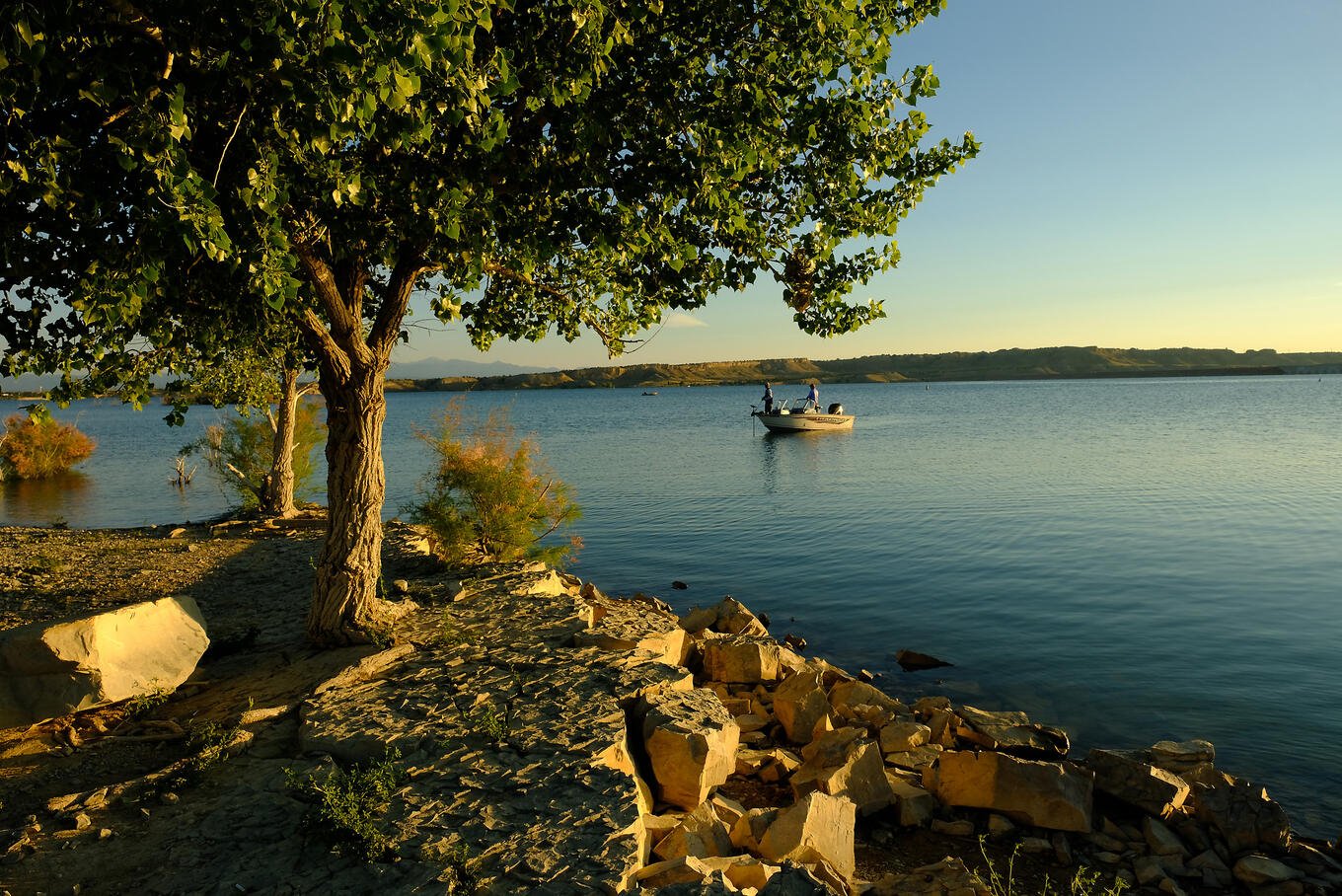
Anyone setting a pump station foundation or hauling large-diameter pipe west of Pueblo is working in the shadow of a 250-foot concrete dam, and the ground, the logistics and the inspectors all reflect that. Pueblo Dam is a buttress concrete structure 10,230 feet long, built across the Arkansas River between 1970 and 1975 by the Bureau of Reclamation. It impounds up to 489,116 acre-feet over 5,671 acres. About seven miles from downtown, it shapes what gets built nearby.
The reservoir is also the start of the Arkansas Valley Conduit, a 230-mile pipeline from Pueblo Reservoir to Lamar and Eads that will serve communities. It broke ground on October 3, 2020 at the dam, with an estimated cost of $564 million to $610 million. Projects at that scale pull in contractors, pipe, pumps, power and a long line of heavy trucks, and the owners around them need dependable suppliers of concrete, earthwork and utility installation.
We build the supporting work for projects like this: heavy-haul access roads, foundations for pumps and tanks, trenching and backfill, and the electrical service that feeds a remote site. We schedule the dirt, concrete and utility trades as one plan, which matters when the site is miles from a stocked supply yard.
Water Infrastructure Drives This Corner of the Metro
West of town, the work is shaped by water. Lake Pueblo State Park covers 10,279 acres with 60 miles of shoreline and is managed by Colorado Parks and Wildlife, so a large share of the land near the dam is public and restricted. Private parcels near the lake can come with setbacks, easements, floodplain questions and agency review. Owners who want less of that sometimes look at Pueblo West instead.
That makes entitlement work part of the job. We coordinate with the landowners and agencies early, line up survey and geotechnical work, and track the approvals that control what can be built where. Owners who start the conversation before design is complete save months compared with those who discover a restriction after the site plan is drawn.
Foundations and Pads for Pumps, Tanks and Switchgear
Pump stations, treatment equipment and storage tanks all rest on concrete, and the quality of that concrete decides how the equipment runs for years. We pour equipment pads and foundations to the engineer's drawings, with attention to anchor bolt placement, grout pockets, embedded conduit and vibration isolation. Anchor bolts and rods are set with templates and checked before the pour, because a bolt that is a half inch off is a day lost.
The ground here runs from river alluvium to hard rock, and the foundation type follows from that. Where the soils are weak, we bring in the drilled pier foundations crew and the right rig for the rock. Where the water table is high, we plan dewatering, formwork that holds under pressure and a pour schedule that does not leave cold joints. Mass pours are planned in detail, with truck counts, placement rates and curing temperatures worked out on paper.
Hauling to a Site That Is Far From Anywhere
Material delivery is the schedule on a job like this. Concrete trucks have a clock, pipe comes on flatbeds that need a wide approach, and cranes have to be walked in on roads that were never built for them. We survey the route in advance, check bridge and culvert capacity, and build temporary pads or laydown areas close to the work so that deliveries do not wait in line.
Weather matters on a job like this. Wind slows crane work, cold limits concrete placement and spring runoff can close a haul road in a day. We build float into the schedule for those events and keep a plan for hot or cold weather concrete ready before a pour is called. Remote crews also need power, water and a place to park, so we set up that infrastructure first.
Who Builds Out Here
The owners who need this work are mostly water, power and utility entities, and the industrial companies that depend on them. Our work for utilities and power customers includes substations, control buildings and the duct banks that connect them. Pipe fabricators, precast suppliers and heavy equipment dealers around the metro also need yard and building space to serve the work.
A project this big spawns smaller ones: yards for pipe storage, trailers for field offices, shops for crews and fenced lots for equipment. We handle those with the same discipline as the permanent work, using stabilized laydown yards built to carry heavy loads without turning to mud.
Heavy Lifts, Excavations and Open Water
Work near a dam brings hazards that a plant yard does not. Deep excavations near water need shoring and rescue plans, heavy lifts need written pick plans and ground-bearing checks, and remote sites need a clear emergency route and a known location for the nearest responders. We prepare these in writing before mobilization and walk them with the crew.
Environmental controls are part of safety here too. Silt fences, spill kits, concrete washout areas and stabilized entrances protect the drainage that feeds the reservoir. We treat those controls as work scope, not as a favor to the inspector, and we inspect them after every storm.
Planning a Job Near the Dam?
Give us the location, the equipment and the loads, and we will tell you what the ground will take. If you are weighing sites on the north side instead, look at the wind tower plant area for heavy fabrication space.
Questions and Answers
Who owns the land near Pueblo Dam, and how does that affect a private project?
A large share of the shoreline area is public, and the state park is managed by Colorado Parks and Wildlife. Private parcels nearby can carry easements, floodplain limits and agency review. We help owners find out early what controls the site.
What is the Arkansas Valley Conduit, and does it affect local construction?
It is a 230-mile pipeline that begins at Pueblo Reservoir and serves communities, with ground broken in October 2020. Projects of that size pull labor, trucking, concrete and materials. Owners planning their own work should expect competition for crews and deliveries.
Can you build foundations in rock near the reservoir?
Yes, depending on the geotechnical report. Drilled piers and rock sockets are common in this kind of ground, and we coordinate the rig, the casing and the concrete delivery. We will not guess at the rock, so we start with the boring logs.
How do you handle mass concrete?
We plan truck counts, placement rate and temperature control on paper before the day of the pour. Cold joints are avoided by sizing the crew and keeping a backup pump. The engineer's specification governs curing and testing.
What does a remote site cost compared with a plant site?
Haul distance, temporary power and water, and longer response times add cost. Weather and seasonal restrictions add more. We separate those lines in the estimate so you see what the remote location is costing you.
Do you work on projects with state or federal oversight?
We work to the owner's specification and cooperate with every agency review. Documentation, testing and inspection records are kept as the specification requires. We do not claim approvals the owner has not yet received.
Related
Ready to talk about your project?
Tell us about the site, the heaviest loads and the date that matters. We will review the scope and follow up with next steps for your Pueblo project.