
Building Types
Warehouse Construction in Pueblo, Colorado
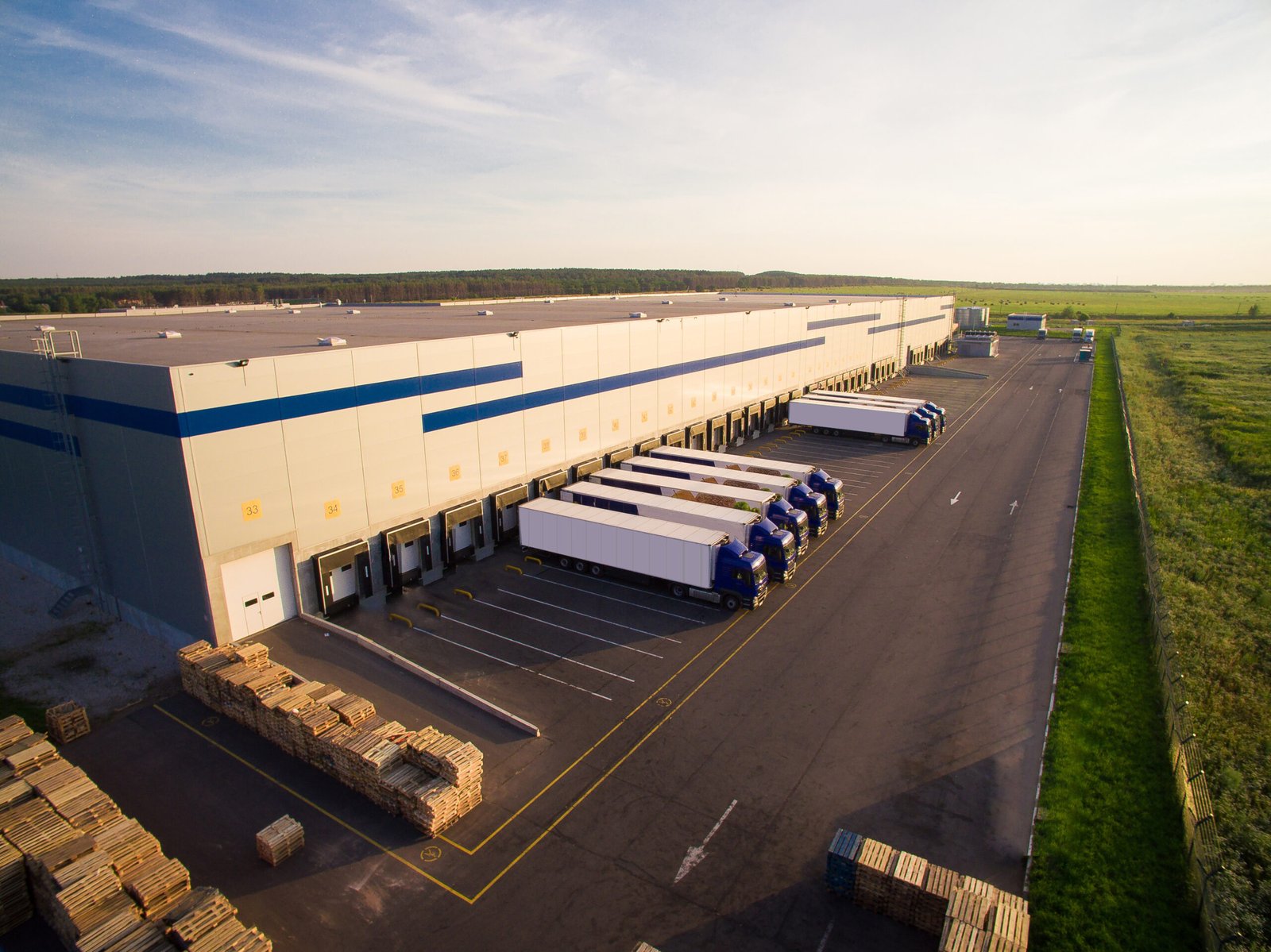
Every warehouse we build in the Pueblo area starts with one question: how does freight reach this slab? Interstate 25 and US 85 share one north-south route through town, US 50 runs east and west, and both BNSF and Union Pacific serve the city. A building that ignores those routes ends up with a dock that trucks cannot reach or a rail door nobody ever uses. We lay out the truck court, the apron and the building footprint together, before the structure is priced.
The Pueblo market rewards plain boxes built right. The city lists the St. Charles Industrial Park as an Opportunity Zone with rail freight access, and says commercial and industrial construction here costs about 10 to 15 percent less than the national average. That is a real advantage, but it only holds if the site work is done once and done correctly. Most of the money in a warehouse job is in the dirt, the slab and the dock, not the walls.
We build warehouses for plant owners who need storage next to a mill, a wind tower line or a rail yard, and for operators who need a clean distribution box on a good truck route. Either way the shell is the easy part. What decides the schedule is soils, utilities, fire water and the permit.
Why Warehouse Space Is Moving in the Pueblo Area
Warehousing here follows heavy industry. The Pueblo rail mill and the wind tower plant both generate steel, coil, plate and finished sections that have to be staged before they ship, and that staging wants covered floor space with a crane or forklift lane. PuebloPlex reports current tenants in manufacturing, warehousing, distribution and rail car storage and maintenance, which tells you what the east side of the county is being used for.
The airport side is the other pull. The city lists Pueblo Memorial Airport as a full-service municipal field about 5 miles from I-25, with 40 acres available for development. Land with taxiway access and a US 50 frontage suits a warehouse that serves air freight, defense supply or aerospace tenants. If you are weighing sites, our airport industrial park work and the broader logistics and distribution market are the two places we start.
What We Build and What We Leave to Others
A typical Pueblo warehouse package from us covers site clearing and grading, stormwater detention, the utility package, a floor slab sized for your racking or rolling loads, the structure and envelope, dock doors and levelers, a truck court and trailer parking, yard lighting and fencing. We can deliver the building as a tilt-wall box, a pre-engineered metal building or a structural steel frame with insulated panels. The right answer depends on clear height, bay spacing, the fire load of what you store and how fast you need to be inside.
We manage the earthwork, the slab and the site concrete most closely because those are the pieces that set the schedule and decide whether the floor stays flat under a loaded forklift. Racking, conveyor, fire pumps and refrigeration go to specialists we coordinate. If you are comparing structural options, read about tilt-wall buildings and pre-engineered metal buildings before you lock a shell type. Our warehouse shell construction service is the usual starting point.
Codes, Permit Review and Fire Protection
The Pueblo Regional Building Department lists the 2021 International Building, Existing Building, Energy Conservation, Mechanical, Fuel Gas and Fire Codes as in effect, with the 2023 National Electrical Code and the Colorado Plumbing Code. Pueblo County's building division enforces the 2021 ICC codes and the 2023 NEC with its own Title 15 amendments. If your site is in a different jurisdiction, we confirm the adopted edition before we draw. Colorado adopts commercial codes city by city and county by county, so a set that passed in one jurisdiction cannot be assumed to pass in the next.
The state energy code rule matters for warehouses too. House Bill 22-1362 requires any local government that updates its building code on or after July 1, 2023 to adopt an energy code at least as strong as the 2021 IECC, and from July 1, 2026 the benchmark becomes the state low energy and carbon code. For a conditioned warehouse, that means envelope, lighting power and electric-ready provisions get checked at permit. The city lists commercial approvals at about 75 days, so we submit early and use the review window to buy long-lead items. Our permitting and entitlements coordination handles the back-and-forth with the reviewer.
What Moves a Warehouse Number
Clear height and column spacing move the structure cost. Dock count and truck court size move the concrete cost, and truck courts take far more yardage than owners expect. Fire protection moves it again: an ESFR sprinkler system over high-piled storage needs adequate water, and if the street main is thin you are paying for a fire pump, a tank or a looped main. We price the fire water early through our fire water loop and hydrant systems work so it does not show up as a change order in month five.
Soil and drainage are the other swing items. Pueblo sits at 4,692 feet with the Arkansas River and Fountain Creek close by, so detention and outfall approvals can control where the building can sit. A geotechnical report before bid saves the argument about unsuitable material later. Steel and panel lead times are the last driver: if your shell is a metal building, the order should be placed as soon as the permit is in hand.
Schedule: Where the Time Actually Goes
For a standard single-tenant warehouse the sequence is design and soils, permit, mass grading and utilities, foundations and slab, shell, then dock and yard. The permit window and the shell lead time run at the same time if we release the structure order early. The slab usually needs a cure period before racking goes in, and a rack contractor needs a flat, clean floor and full dock access to start. We write that into the schedule rather than discover it.
Winter in Pueblo is dry compared with the mountains, but cold snaps still stop pours and slow tilt-up. We plan blankets, heated water and a window for exterior concrete. If you need to occupy part of a building while the rest is going up, we can phase it. See phased construction on occupied sites for how we protect your operation while we work next to it.
Talk to Us Before You Buy the Dirt
Send us the parcel, the clear height and the truck count. We will tell you what the site work will cost and what the permit will ask for, before you close on the ground. Call us or send the drawings and we will start with the numbers.
Questions and Answers
How long does a permit take for a new warehouse in Pueblo?
The city lists commercial approvals at about 75 days. That clock depends on a complete submittal, so we hold a pre-submittal check on fire access, stormwater and energy compliance. We also use the review window to place steel and panel orders. A site outside the city goes through Pueblo County's building division instead, and we confirm that review path first.
Should the warehouse be tilt-wall or a metal building?
It depends on height, fire rating and finish. Tilt-wall suits taller buildings, rated walls and long-term ownership. A pre-engineered metal building is faster and often cheaper for lower clear heights and simple bays. We price both when the program is not locked, and we compare the whole job including foundations and envelope upgrades, not just the structure.
Do you build warehouses with a rail door?
Yes. Pueblo is served by BNSF and Union Pacific, and the St. Charles Industrial Park has rail freight access. A rail door changes the floor, the apron and the building location, so the track agreement with the railroad has to be settled before we finalize the layout. We cover the site side through our rail spur site improvements.
What drives the cost of a warehouse floor?
Thickness, reinforcement, joint layout and the flatness you specify for racking or narrow-aisle trucks. A floor built for rolling loads costs more than one built for pallet storage. We ask early what trucks and racking you will run and write the slab specification to those loads.
Can you build near the airport?
Yes. The airport is adjacent to US 50, and the city lists 40 acres available for development with direct taxiway access. Sites near airfields bring height and lighting review that a plain warehouse site does not, so we raise those questions before layout.
Related
Ready to talk about your project?
Tell us about the site, the heaviest loads and the date that matters. We will review the scope and follow up with next steps for your Pueblo project.