
Industries
Data Center Site and Shell Construction in Pueblo, Colorado
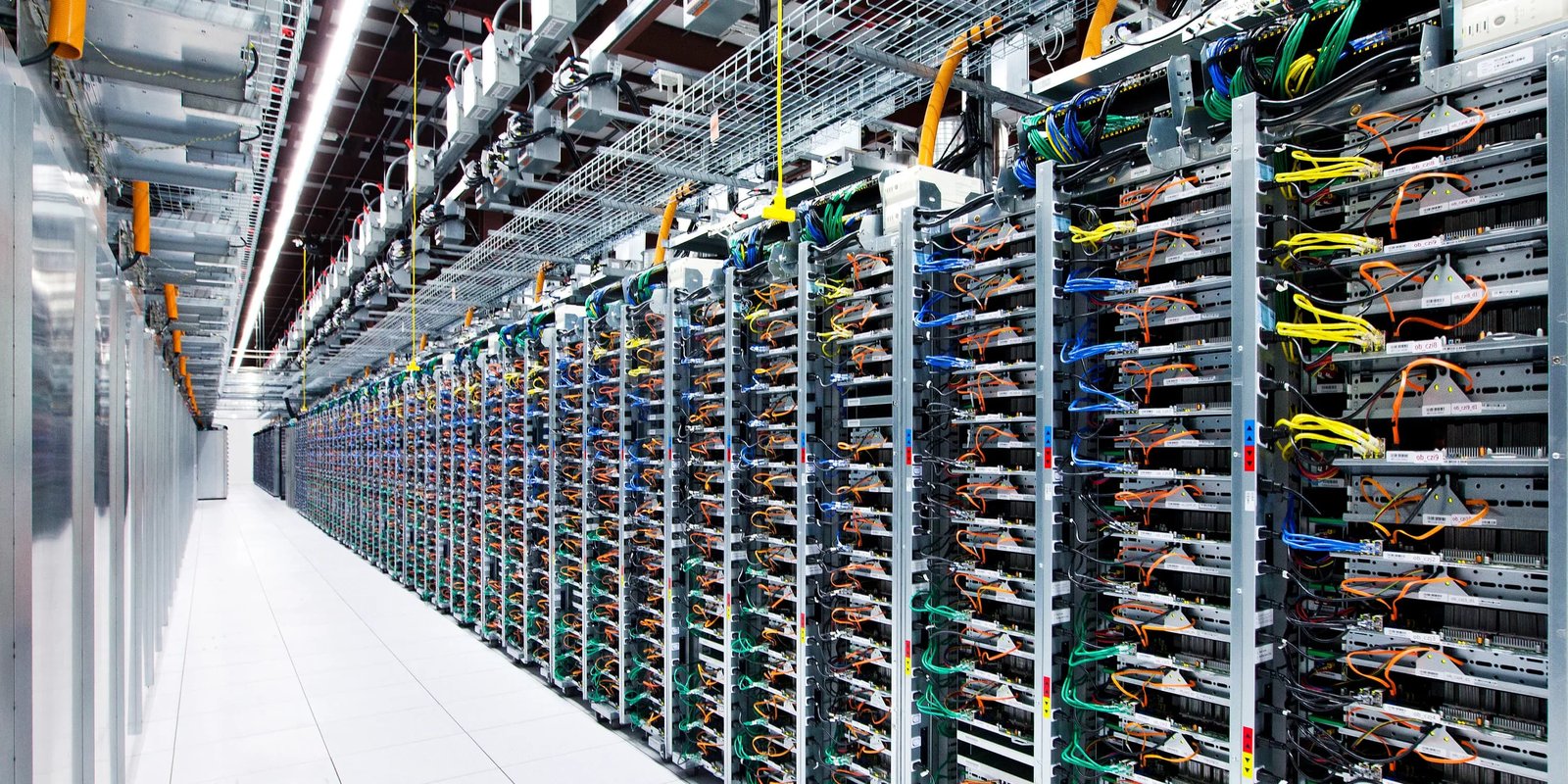
Power comes before the building on a data center job, so the first question we put to an owner looking at the Pueblo area is how many megawatts they need and when a utility can actually deliver them. The valley is used to large electrical loads. The electric-furnace steel mill on the south side is still running, and the long-rail mill project there came with a 240 megawatt on-site solar field. Those are not data center numbers, but they tell you the grid and the local trades are not strangers to heavy service entrances.
What a data center owner finds here is land and a permitting office that publishes its numbers. PuebloPlex is being repurposed for manufacturing, technology, logistics and research, and the airport industrial park has taxiway-adjacent ground. We help owners decide which of those sites can carry a building that runs around the clock, and then we build it: slab, shell, yard, duct banks and the support structures that keep the white space alive. Generation and substation owners nearby are a different buyer, covered under utilities and power.
We build the civil and structural side of the job and coordinate the mechanical and electrical packages around it. We are not the equipment vendor, and we say so up front.
Start with the utility letter, not the drawings
Before we spend an owner's money on design, we want the utility's load letter, the point of interconnection and the date they commit to energize. Everything else flexes: building size, phasing, the number of generator pads. A site with a good letter and mediocre soil beats a site with great soil and no power. We run our preconstruction work to answer that question first, then price the building.
The civil package follows the electrical one. The trench for medium-voltage feeders, the underground duct bank with its concrete encasement and pull boxes, and the pads for transformers and generators set the grading plan. Getting a duct bank's elevation wrong by a foot is a rework bill that lands on somebody, so we survey it before backfill and again after.
Site conditions that matter for critical load buildings
A data hall wants a flat, stiff slab and a clean envelope, so the earthwork and compaction behind it get more attention than they would for a warehouse. We build the pad with engineered fill and proof-roll before any footing is cut. Pueblo sits at 4,692 feet, and the lower air density affects air-cooled equipment capacity, which the mechanical engineer has to account for. We do not design that, but we flag it in preconstruction so nobody learns it at commissioning.
Water and fire protection are the other site items. A building with this much electrical density usually wants a looped fire water loop and hydrants and a stormwater plan that handles a large roof and a large generator yard. Both are earthwork and underground utility jobs, which is the work we schedule and supervise most closely.
Review times and adopted editions
The Pueblo Regional Building Department lists the 2021 I-codes and the 2023 National Electrical Code as in effect, and the city reports that commercial approvals run about 75 days. For a data center that clock should start early, because the electrical submittal is large and the reviewers will have questions about generators, fuel storage and arc flash. We submit site, foundation and shell packages in sequence rather than holding everything until the last sheet is done.
Colorado's energy law also touches this building type. Any jurisdiction updating its code after July 1, 2023 has to adopt an energy code at least as strict as the 2021 IECC along with electric and solar ready requirements, and from July 1, 2026 the benchmark moves to the state model low energy and carbon code. Your design team should confirm the edition with the permitting office before basis-of-design is frozen.
Working around live power and large equipment
Heavy picks are normal on this work: transformers, switchgear, generators and chillers arrive on lowboys and are set by crane onto prepared pads. We write a lift plan for each, confirm the ground bearing under the crane and mats, and keep the swing radius clear of overhead lines. Picks are called off when wind gusts exceed the crane maker's limits.
Energized work belongs to licensed electrical contractors, and we coordinate access, lockout and tagout so the civil crews we coordinate are never near a live feeder without the electrician in charge knowing. That discipline matters most during the weeks when a site has a new building and a temporary power feed in the same trench corridor.
Where data center work overlaps with other jobs
The first phase of most data center projects is plain site work: a site utilities package with water, sewer and conduit, a stabilized yard and access roads. If you are comparing sites, we price that scope for each one so the real difference between parcels shows up. Pharmaceutical plants and other life science owners face the same power-first sequence. Owners who want one contractor to take the job from clearing through turnover can read how we handle commissioning and turnover, which on this building type includes integrated testing with the electrical and mechanical contractors.
Some owners start with a small support building and grow. Owners who want a full data center should know we also build smaller pieces first, if you need a generator enclosure, a switchgear room or an operations building before the main hall is approved.
Send us the parcel and the megawatt number
We will walk the site, price the utility and site package, and tell you where the schedule is really set. Give us the load, the parcel and the target energization date.
Questions and Answers
Is there a data center market in Pueblo?
We would not oversell it. What exists is land, large-load industrial history and a growing list of redevelopment parcels. An owner has to confirm utility capacity and fiber on the specific parcel before assuming it works. We help with the construction side of that analysis by pricing grading, utilities and duct bank for each candidate site.
What would you build first on a raw parcel?
The site package: clearing and grading, the underground duct bank, the fire water loop, stormwater and the pads for transformers and generators. Doing that ahead of the shell gives the utility something to connect to and shortens the path to energization. The slab and shell follow once the load letter is signed.
How long do approvals take?
The city says commercial approvals currently take about 75 days. A data center submittal is heavier than average, so we plan for more review cycles and start with the site and foundation sets. If the parcel is in the county rather than the city, confirm which building office has jurisdiction at the start.
Do you handle the generators and switchgear?
We build everything they sit on and the trenches that connect them: pads, duct banks, bollards, fencing and access. The equipment itself is bought and set by the owner's electrical contractor or vendor. We coordinate delivery dates and crane picks so the pads are cured and tested before the equipment arrives.
Can you phase a data center so the first hall is online sooner?
Yes. We design the site so the utility backbone, yard and fire water serve the full build, then construct the first hall and leave the pad for the next one graded and drained. It costs a little more up front for oversized infrastructure and saves a lot when the second phase starts.
Related
Ready to talk about your project?
Tell us about the site, the heaviest loads and the date that matters. We will review the scope and follow up with next steps for your Pueblo project.