
Industrial Construction Services
Site Utilities Package for Pueblo Industrial Parcels
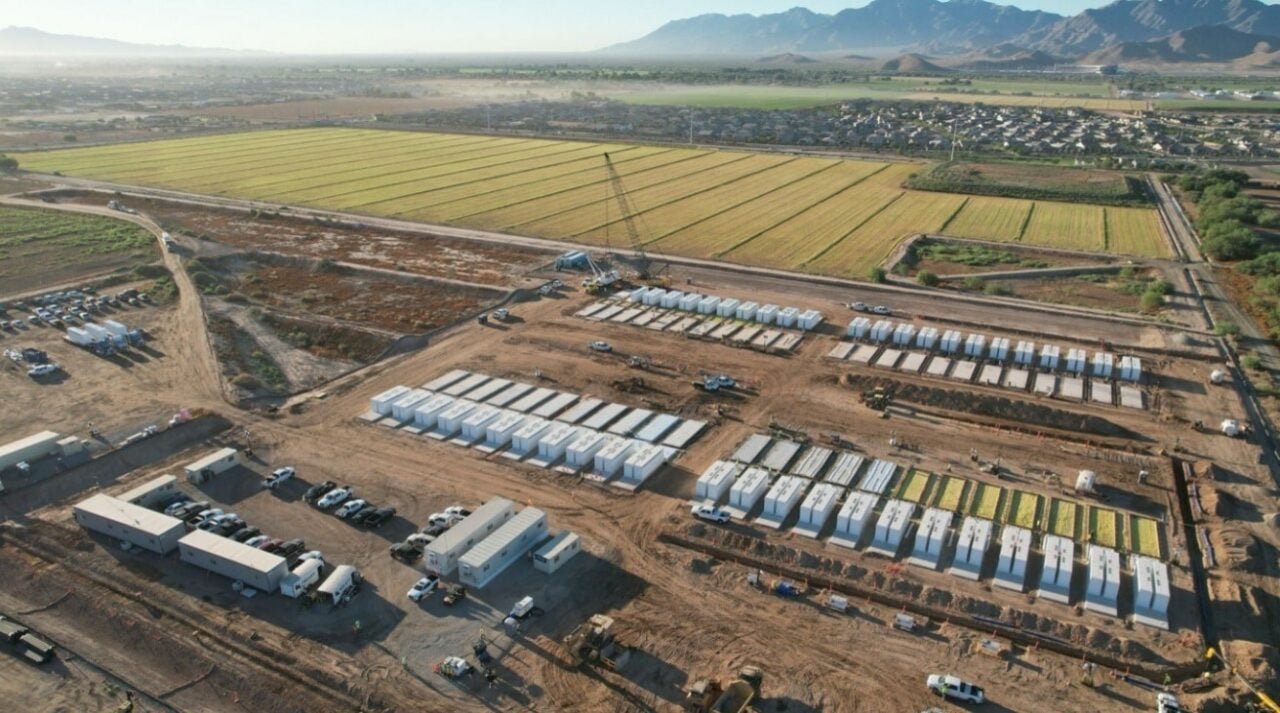
Some parcels have everything at the property line, and many do not. The question that decides a plant budget is how far the nearest water main, sewer, gas line and electrical feeder sit from the building, and who has to pay to extend them. We answer that question in the first weeks of a project, before the site is bought or the pad is cut.
A site utilities package includes the underground systems that serve the plant: domestic and process water, sanitary sewer, storm drainage, natural gas, communications and the duct banks that carry power. We install them in a planned order, record them as they go in and coordinate with each utility provider on their requirements, inspection and connection.
Our goal is to put the underground work in once. Pipes cut through a finished apron or a slab are costly to fix, so we sequence the work ahead of the paving, and we survey each line before backfill so the as-built drawings show where everything is.
The pieces of the package
Water lines include domestic service, process supply and the fire service that feeds the plant, which we handle with our fire water loop and hydrant systems work. Sewer includes gravity mains, manholes, lift stations when grades require them, and any grease, oil or sediment interceptors the process demands. Gas lines run from the meter to the building with the pressure and sizing the equipment needs.
Electrical and communications work begins with the underground electrical duct banks, which are installed with the right spacing, depth, concrete encasement and pull boxes. We leave spare conduits where you expect growth, because adding a conduit later means opening a finished yard.
Trenching, pipe and backfill under close supervision
We schedule and inspect the trenching, shoring, bedding, pipe laying, backfill and compaction. That control matters because the most common utility failures come from poor bedding and uneven compaction under pavement. We test density in each lift, and we keep trench boxes and sloping in place to protect the crew.
We pressure test and flush water lines, air or vacuum test sewer lines and mandrel test where required, with the utility's inspector watching. Testing is part of the work, not a separate event, and the records are saved for turnover.
Connection, capacity and distance
Utility providers set their own timelines, and they rarely match the construction schedule. A new electrical service can take months for design and equipment, and a water tap or main extension may need separate approvals. We ask early and put those dates on the master schedule. Our preconstruction work often includes a utility letter for each service to confirm capacity.
Large redevelopment sites have their own challenges. HR Green's master plan work at PuebloPlex covers roughly 16,000 acres with more than 600 buildings plus utility and transportation systems, a reminder that utilities in older campuses can be undocumented, oversized or abandoned. We locate and pothole existing lines before design is final, because a plan that ignores an old main can cost weeks.
Who inspects what
Plumbing, electrical and fire service each have their own inspection track. The Pueblo Regional Building Department lists the 2021 International Plumbing Code-based Colorado Plumbing Code and the 2023 National Electrical Code as currently in effect, and utility providers add their own standards for materials and connection points. Editions change over time, and Mesa County's notice that a 2026 National Electrical Code and a 2024 Colorado Plumbing and Fuel Gas Code take effect January 1, 2027 shows that state-level editions can move even when local building codes do not.
We confirm the edition in force at permit date and design to it. Private utilities on the owner's side of the meter are inspected by the building department, while main extensions and taps are inspected by the provider, and we schedule both.
Getting the underground in before everything else
Utilities go in after rough grading and before foundations, slabs and paving, with the deepest lines first. We schedule trench work to minimize open length and to leave access routes for deliveries. Lines crossing future drive aisles are installed and backfilled early so the base can be built over them.
Cold weather and wet weather change the plan. We avoid placing pipe in frozen or saturated ground, and we protect trench bottoms and bedding from water. When a utility connection date moves, we re-sequence work so crews stay productive.
Where utilities meet the rest of the site
The package works with site clearing and mass grading before it and stormwater detention and drainage alongside. Together they are the foundation of the whole yard.
Plants in data centers and other power-heavy uses need larger services, backup systems and redundant feeds, which push the utility package toward its own project. Owners with a manufacturing plant plan often discover that process water and sewer capacity matter as much as the electrical service.
Find out what your parcel really has
Tell us where the parcel is and what the plant will draw. We will check what water, sewer, gas and power are at the line and what it takes to bring the rest.
Questions and Answers
Who pays for extending a utility to the site?
It depends on the provider's rules, the distance and the capacity involved. Some extensions are paid by the owner through a tap or line extension fee, while others are shared or recovered through reimbursement agreements. We ask each provider for written requirements and cost estimates early, so the number appears in the budget before the land closes.
How long does it take to get a new electrical service?
Longer than most owners expect. Design, equipment orders and scheduling by the provider can run for many months, and the owner must often supply conduit, pads and easements. We start the application as soon as the load is known and track it on the schedule like any long-lead item.
Can you tie into existing plant utilities without shutting down production?
Often yes, with hot taps, line stops, temporary bypasses or planned outages. The choice depends on the system and the risk. We plan each tie-in in advance with your operations team and prepare materials so the live work is short.
What are as-builts and why do they matter?
As-builts are drawings that show where every line was actually installed. We survey each system before backfill, including depth and fittings. Years from now, when someone needs to dig near a main or add a branch, those drawings are the difference between a quick job and an accident.
Do you coordinate with the fire district for hydrants and fire lines?
Yes. Fire service lines, hydrants and the fire department connection need approval from the authority having jurisdiction, and the layout often drives the site plan. We set up the review early and keep the fire official in the loop through testing.
Related
Ready to talk about your project?
Tell us about the site, the heaviest loads and the date that matters. We will review the scope and follow up with next steps for your Pueblo project.