
Service Areas
Industrial Construction in Canon City, Colorado
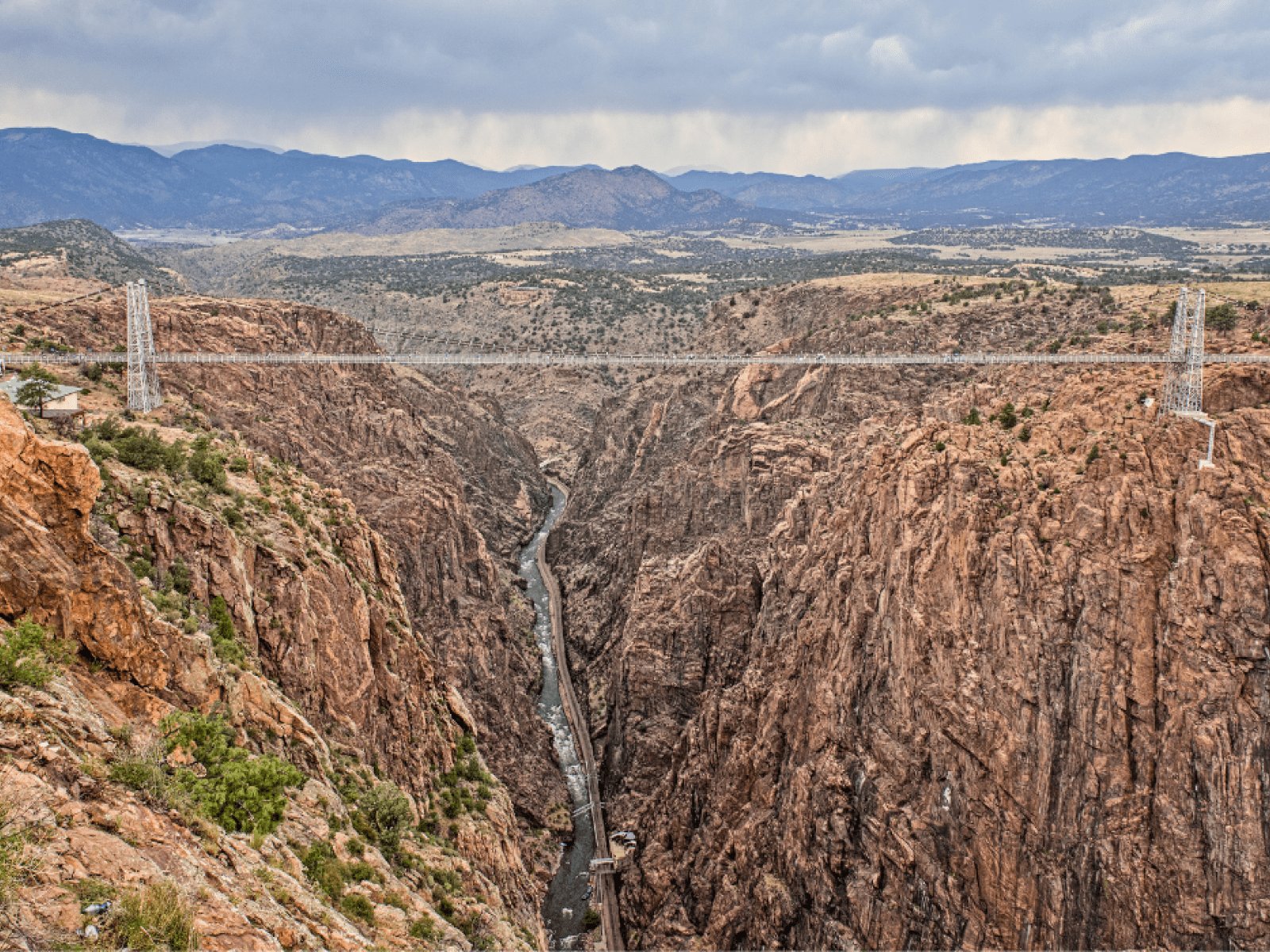
Industrial buyers in Canon City build in a tight valley, just east of where the Arkansas River leaves the Royal Gorge, and the first thing we check is how a loaded truck gets in and out. We build shops, equipment yards, secure facilities and support buildings for owners in Fremont County. The terrain is steeper and the sites are smaller than on the plains east of Pueblo, so the work is more about fitting than sprawling.
Canon City sits at 5,351 feet, and US 50 runs through town as Royal Gorge Boulevard. State Highway 115 connects the city to Florence and Penrose and on toward Colorado Springs. Those two roads set the haul routes for almost everything we deliver, and they decide when we can bring in a crane, a precast piece or a long steel member.
The local economy leans on institutions. The city counts the state prison system and the federal ADX Florence in the county among its employers, along with a hospital. Owners who serve those operations care about fencing, lighting, durable slabs and clean schedules, and we understand that kind of customer.
Building tight sites without losing the schedule
On a constrained parcel we start with a logistics drawing before a structural one. It shows where the crane stands, where steel is laid out, where the concrete trucks queue and how the neighbors get past. A site with no room for a lay-down yard needs just-in-time deliveries, and we line those up with the supplier before the foundation work begins.
Foundations on a hillside lot take extra care. We look at grade changes, retaining needs and drainage before the shape of the building is set, and where the soil calls for it we drill drilled pier foundations to reach bearing stratum rather than bet on a spread footing that may settle.
The institutions, the rail and the highway
Canon City's economy is tied to the state and federal prison system, with a territorial correctional facility inside the city, other state prisons in the county, and a hospital among the major employers. For a builder, that means steady demand for maintenance buildings, warehouses that supply the institutions, secure perimeters and utility work. It also means owners who take safety and documentation seriously.
Freight service runs between Pueblo, Canon City and Parkdale on former Union Pacific track, which also carries the Royal Gorge Route tourist train. A shared line like that is a good reason to look at a rail spur or siding only after the operator confirms what the track can carry. We help owners make that call with the facts in hand.
Safety on and around secure ground
Working near an institutional campus means badging, escorts, tool counts and delivery windows. We staff the job with that in mind, give crews a briefing before they arrive and keep the work area clear of the public. Our daily plan names who is on site, what equipment is staged and when it leaves.
The gorge climate adds its own list. Wind funnels through the canyon, summer storms can drop a lot of water fast and winter ice makes ramps slippery. We stage cranes with wind limits in writing and keep temporary drainage working through the whole build.
The services that go with a build here
Many Fremont County jobs need fencing and security integration alongside the building, since owners want a perimeter, gate controls and cameras tied to the same schedule. We coordinate with the electrical and low-voltage trades so conduit is in the ground before the paving goes down.
For shops and fleet yards, our maintenance shop and service bay work covers trench drains, oil separators, bay doors and the slab detailing that keeps floors flat under heavy lifts. We build the whole package so the owner is not coordinating five separate contractors.
Nearby towns we also serve
From Canon City, SH 115 takes us to Florence and Penrose, and US 50 runs east to the Pueblo valley. We mobilize crews from Pueblo for larger jobs and use local labor and suppliers for smaller ones, which keeps price down on a modest scope.
If your plant is part of a larger regional operation, we can build the Canon City piece to match what you have on the Pueblo side, so your maintenance staff does not learn two sets of details.
What owners ask before they commit
Owners usually want to know about haul distance, canyon wind and winter access before they ask about price. We put those into the proposal as stated assumptions, along with allowances for rock or fill. If a parcel is on a slope, we show the cut and fill so the owner can judge whether a different pad location saves money.
Utility service is the second question. Fremont County sites sometimes sit far from three-phase power or a fire main, and an extension changes both the budget and the date. We ask the utilities for written answers early, and we track their replies alongside our own schedule. For buyers who move product, the logistics and distribution side of the valley depends on those answers.
Building in Fremont County?
Tell us about the lot, the loads and the deadline. We will check the haul route and the utilities, then send a plain proposal.
Questions and Answers
Can a large crane or a long steel truss get into Canon City sites?
Usually, but it needs a haul plan. Royal Gorge Boulevard (US 50) and SH 115 carry most heavy loads, and we check turning radii, bridge limits and local permits before booking a crane. For tight lots we sometimes break a truss into sections or schedule deliveries for off-peak hours.
Do you build secure facilities and perimeters?
We build the fences, gates, lighting and pads that go with them, and we coordinate low-voltage trades for access control and cameras. We follow the owner's security rules for badging, escorts and tool control. If your project has special requirements, give us the document early so the price reflects it.
Is a rail siding practical on a Canon City parcel?
Only if the track operator agrees. The line between Pueblo, Canon City and Parkdale is shared with the tourist train, so scheduling and track condition matter. We help you ask the right questions, then design the siding and its drainage to the operator's standards.
How does elevation affect concrete work here?
At 5,351 feet the air is thin and dry, which can dry the surface of a slab faster than the interior sets. We plan curing, windbreaks and early finishing windows, and in winter we use blankets and heated enclosures. We also watch the mix design for freeze-thaw exposure on exterior flatwork.
What is a realistic first step for a small shop building?
Send us the lot, a sketch of what you need to store or repair, and any survey you already have. We will walk the site, check utilities and drainage, and return a budget range with a schedule. From there you can decide whether to move ahead to full design.
Related
Ready to talk about your project?
Tell us about the site, the heaviest loads and the date that matters. We will review the scope and follow up with next steps for your Pueblo project.