Industrial Construction Services
Structural Steel Erection for Pueblo Mills and Plants
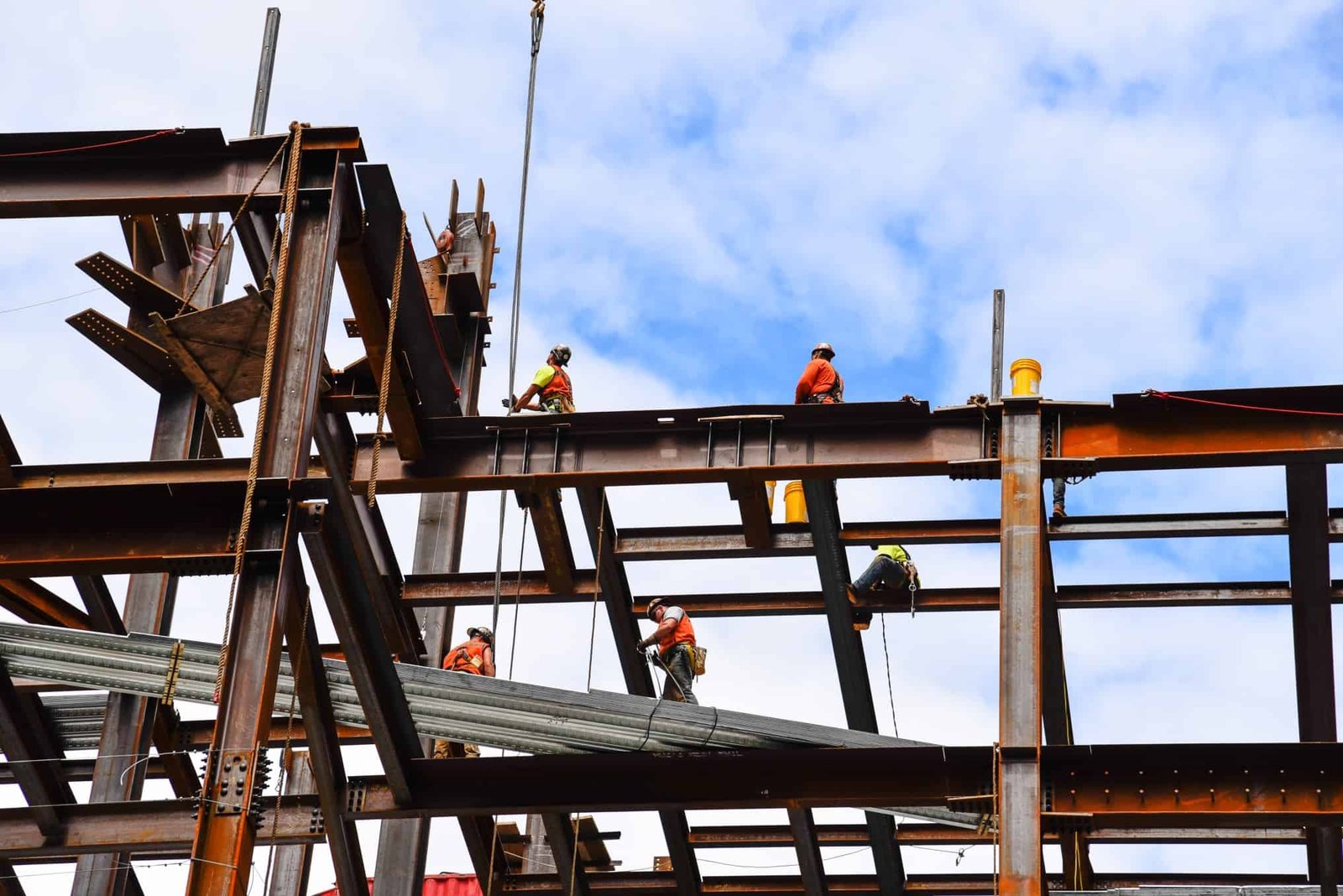
Steel is the one material Pueblo has always known how to handle. The mills on the south side still make rail, rod, bar and seamless tube, and the people who work there know what a bad pick looks like. We erect structural steel for plants, mills and heavy industrial buildings in Pueblo and the Arkansas Valley: columns, beams, joists, deck, crane runway girders, process frames, platforms and stairs, set to the drawings and plumbed to tolerance.
Erection is a crane problem first and a steel problem second. Where the crane sits, how the trucks reach it, what the ground will bear and how far each pick reaches decide the order in which the building goes up. In Pueblo, projects range from a small equipment frame inside a running mill to the huge shell of a wind tower plant, and the crane plan changes with the job. The long-rail mill that can roll rails up to 480 feet long is a reminder of how large and how straight things have to be here.
We erect with qualified erection, crane and rigging partners, and we put the plan in writing before a single member comes off a truck. That plan names the crane, the pick zones, the delivery order, the bracing and the person who can stop the job. If a lift is not planned, it does not happen.
From anchor bolts to final bolt-up
Our scope starts with the foundation: we check anchor bolt positions and elevations, grout base plates and set leveling nuts. Then we erect columns, beams, bracing, joists and deck in the order the plan calls for, plumb and align the frame, and complete the bolting and welding. Crane runways, platforms, stairs and handrails come next in the sequence.
Fabrication is somebody else's shop, but erection runs on the shop drawings. We review them for fit, sequence and lifts, and we keep the RFI log current. Mis-fits are common and cheap to fix in the shop, expensive in the air. We catch them on paper first, and we coordinate with the pre-engineered metal building package when the project mixes systems.
Falls, picks and plant hazards
Steel erection has its own safety rules: fall protection, controlled decking zones, column anchorage, rigging inspections and crane signal procedures. We follow them and write them into the site plan, and the whole crew attends a pre-erection meeting before the first column goes up. Rigging is inspected daily, tag lines are used on every pick and no one walks under a load. Each lift has a pick plan, with load weight, radius, rigging and ground conditions. A critical pick gets a pre-lift meeting and a clear signal person.
In an operating manufacturing plant or mill, there is more: hot metal, rail traffic, overhead cranes, energized equipment and tight spaces. We run lockout, permit and escort procedures set by the plant, and we plan picks to stay out of live bays. If a lift has to pass over an operating line, we ask for a stop, and we do not start until we get it in writing. Where a lift needs an outage, we tell the plant manager early. For work on mezzanines, catwalks and platforms, fall protection details are part of the scope.
Crane plan, laydown and sequence
We plan the erection around the crane, not the other way around. We pick a crane position, check ground bearing, build the pad if necessary and mark the pick zones. Steel arrives in the order it is erected, and we lay it out so the crane does not have to swing over live work. Sequencing matters more than speed, since a frame left half braced is a danger in a Pueblo wind.
We also handle the interfaces: base plates and grout from the foundation crew, anchor rods from the pier crew, and embed plates from tilt-wall or slab crews. The laydown yards are built before steel arrives, so the sequence on the ground matches the sequence in the air.
Delivery, long lead and tie-ins
Steel lead time controls many projects. The mill order, detailing, fabrication and shipping chain can take months, and a late delivery cannot be made up on site. We help owners identify the long lead members early and tell them when to commit. On shutdown work, we plan with the plant for the days that the building can be opened and the days that it cannot.
A good erection schedule has a clear order of operations and a float day or two for weather. In high-wind periods we hold picks and brace frames more heavily. We tie our schedule to the foundation turnover and the date the roof must be dry for equipment, and we report progress against both.
Plants that run on steel
Our steel work is a natural fit for metals and heavy industry owners, where process frames, crane girders and pipe racks are part of daily life. It also supports automotive and EV suppliers building new lines and tooling bays, and manufacturers who need a clean, tall hall.
The wind tower plant in Pueblo, a building of nearly 700,000 square feet now working through a 900,000 square foot expansion, shows the scale of steel that heavy manufacturing here can need. Whether the job is a small platform or a hall, we start with the crane and the sequence, and we price them out in plain numbers.
Show us the steel package.
Send the shop drawings or the structural set and the target dates. We will propose a crane plan, a sequence and a price, and tell you what to watch.
Questions and Answers
Do you erect only, or can you also supply the steel?
We erect and can help coordinate procurement. Many owners buy the steel package directly from a fabricator and hire us to erect it. We review the drawings, flag problems and manage deliveries. Supplying steel through us is possible when the owner prefers a single contract.
How big a crane do I need?
It depends on the heaviest pick, the radius and the height. We size the crane from the pick plan and check the ground bearing. A crane that is too small is dangerous, and one that is too big wastes money. We pick the smallest crane that works with a safety margin.
Can you erect steel inside a running plant?
Yes, with careful planning. We work around live equipment, set exclusion zones and use smaller cranes or jacks when overhead clearance is tight. We schedule major lifts for outages when possible.
What tolerances do you hold on plumb and level?
We hold to the specified erection tolerances, and for crane runways we use tighter survey controls. We check column plumb and elevations after each bay is bolted. Out-of-tolerance members are corrected before the next stage.
What does the wind in Pueblo do to the schedule?
Wind can stop picks, mostly in the afternoon. We schedule critical lifts early in the day, brace frames as we go and keep spare days in the schedule. We follow the crane manufacturer's wind limits and do not argue with them.
Related
Ready to talk about your project?
Tell us about the site, the heaviest loads and the date that matters. We will review the scope and follow up with next steps for your Pueblo project.