
Industries
Automotive and EV Facility Construction in Pueblo, Colorado
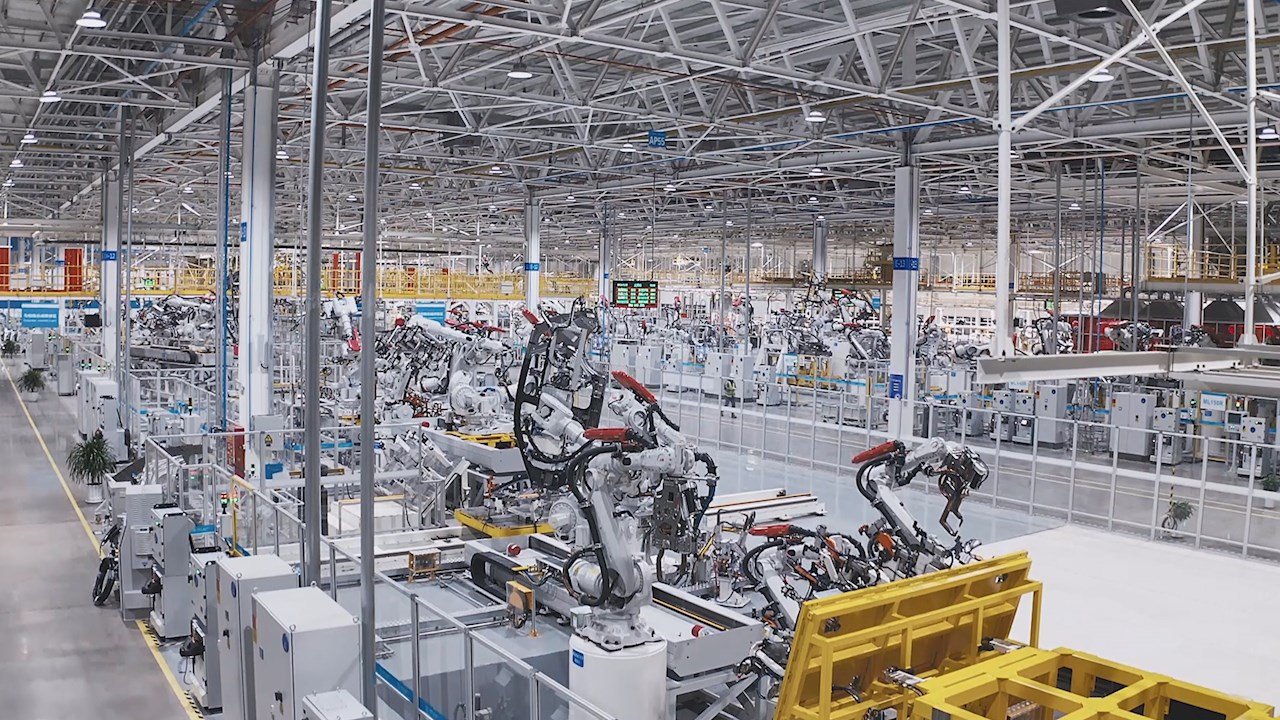
Vehicles get tested hard at the Transportation Technology Center northeast of Pueblo, a 30,000 acre site with about 48 miles of railroad track, a 13.5 mile Railroad Test Track and a 9.1 mile Transit Test Track. That is rolling stock, not passenger cars, but it points to the kind of vehicle work this metro has: testing, heavy maintenance, fleet service and supplier manufacturing rather than a final assembly line. If you are a supplier, a fleet operator or an EV equipment maker weighing southern Colorado, that is the honest frame.
The work we see fits into four groups. Supplier plants that make parts for vehicles or rail equipment. Fleet yards and service bays for trucks and buses. Charging and battery infrastructure, including the electrical service and the pads it sits on. Test and maintenance buildings for rolling stock. PuebloPlex lists rail car storage and maintenance among current tenant uses, and the region's trucking runs along I-25 and US 50.
We build the structure, the slab, the yard and the site utilities for those groups, and we coordinate with the electrical and equipment contractors who finish the job.
Corridors and tenants that drive vehicle work
Interstate 25 carries truck traffic up and down the Front Range side of the state, and Trinidad sits at the foot of Raton Pass, where the highway and BNSF tracks climb to 7,834 feet. Trucks working that grade are natural customers for service and staging yards. Pueblo's I-25 exit 94 serves Pueblo Boulevard on the south side, and exit 96 serves the Minnequa area, near the mill and the industrial ground around it.
Rail is the other vehicle story. PuebloPlex has tenants in rail car storage and maintenance, and the test center is a federally owned site with an operator contracted to run it. Neither is a car plant, but each needs high-bay maintenance shops, track-side pads, wash racks and paving that takes steel wheels and tires. We build for those owners as well as for road-vehicle fleets.
What we build for vehicle owners
Fleet facilities are the most common request. A truck or bus yard needs a shop with bays tall enough for the vehicle, in-floor drains and oil separation, parking with room to turn a 53 foot trailer, and lighting and security. Our automotive fleet facilities and maintenance shops and service bays work covers those, and we pour the aprons in concrete where heavy vehicles park and turn.
Production buildings for parts suppliers, which we also cover under advanced manufacturing, look like other automotive and EV plants: a clear-span bay, a flat slab, an electrical service sized for equipment and loading docks. The EV side adds battery storage, with fire separation and ventilation requirements, and charging yards that need conduit, transformers and wide pavement. We lay those out with the owner's electrical engineer.
Electrical first, then the building
The constraint on an EV charging yard or fleet depot is the utility's capacity, not the lot. We ask early what service the utility can supply and when, because a fleet that cannot charge on time is a problem no building solves. Then we plan the electrical duct banks and pads, size the pavement, and place the chargers where cars and trucks can reach them without conflicts.
The yard follows the flow of vehicles. We draw turning paths for the biggest vehicle in the fleet, locate wash racks and fueling or charging away from entries and keep pedestrians out of truck lanes. Lighting, cameras and gates complete the layout. We build these through our yard lighting and electrical site work scope.
Permits, energy rules and fire protection
Pueblo and Pueblo County enforce the 2021 International Code Council codes and the 2023 National Electrical Code. Colorado's HB22-1362 requires any county or municipality updating its building code after July 1, 2023 to adopt an energy code at least as strict as the 2021 IECC, with electric and solar ready provisions, and from July 1, 2026 the benchmark becomes the state model low energy and carbon code. For EV facilities, that means designing for electric readiness from the start.
Battery storage and charging bring fire protection questions. The local fire official reviews separation, detection, suppression and ventilation, and the requirements are decided case by case. We bring the fire authority into the conversation before drawings are done, and we tell owners what the review is likely to ask. The city reports about 75 days for commercial approvals, which should be built into the plan.
Where the money goes in a vehicle facility
Electrical service and site work are the big drivers. A depot with dozens of chargers can need a service that costs as much as the building, and the trenching, transformers and switchgear add to it. Paving is the next large item, since heavy vehicles tear up thin sections. We price the electrical and civil parts separately so the owner can see what a phase costs.
Phasing helps. Build the conduit, the pads and the grading for the full fleet and install chargers as vehicles arrive. Owners with uncertain schedules save money by building the backbone once. For the larger power question, see our work with utility and power owners.
Tell us the fleet and the utility date
Send the vehicle count, charger plan and the utility timeline. We will price the building, slab, yard and electrical civil work and flag the permit questions to settle first.
Questions and Answers
Is there an automotive manufacturing market around Pueblo?
Not in the sense of a vehicle assembly plant. The market is supplier parts, fleet facilities, EV charging and rolling stock testing and maintenance. If your business fits those, the region offers sites on I-25, US 50 and rail. We help with the site and the building.
How much electrical service does an EV fleet depot need?
It depends on charger count, power levels and charging window. The utility's capacity and timeline are usually the limit. Share your fleet size and schedule and we will help estimate the service and the duct bank and pad costs while you talk to the utility.
Can you build for rail car maintenance?
Yes, with track-side pads, wash racks, high-bay shops and paving for heavy equipment. Rail work depends on the track owner's standards, and we coordinate with them. PuebloPlex tenants include rail car storage and maintenance, so there is a local base.
What does a truck service bay need?
Tall doors, floor drains with oil separators, a thick slab, lifts or pits, and ventilation. The fire marshal reviews it, as does the stormwater authority. We design the slab and drainage so the shop stays clean and the wastewater goes where it should.
How long does it take to build a fleet facility?
A shop and yard can take most of a year once permits are issued, depending on size and electrical work. The utility's schedule often sets the end date. Permit time in Pueblo is about 75 days for commercial approvals. We start the site package first to save time.
Related
Ready to talk about your project?
Tell us about the site, the heaviest loads and the date that matters. We will review the scope and follow up with next steps for your Pueblo project.