
Building Types
Automotive and EV Plant Construction in the Pueblo Metro
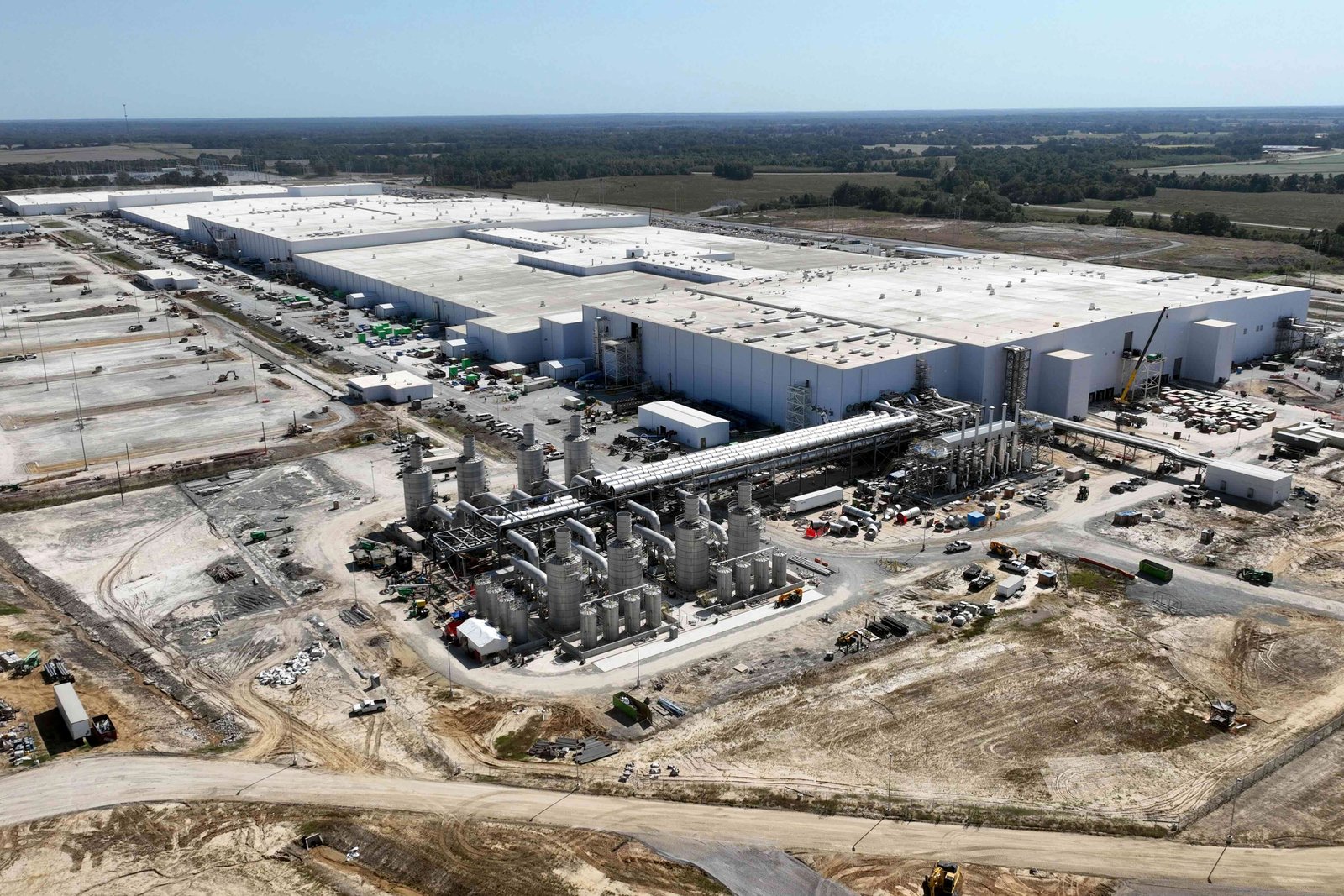
A supplier weighing Pueblo for a battery pack line, a stamping cell or a chassis components shop is really asking three things: will the ground carry the presses, will the power arrive on schedule, and can a crane and a heavy haul truck get onto the site. No vehicle assembly plant sits in this metro, and we will not pretend otherwise. What the metro has is a fabrication base that already built the same kind of box. The wind tower plant CS Wind took over in 2021 covers nearly 700,000 square feet, and the 900,000 square foot expansion that broke ground in April 2023 is sized for about 10,000 tower sections a year.
Automotive and EV supply plants share a lot with the wind tower plant area shops. They run bridge cranes over welded steel, they need floors that do not dish under a forklift train, and they need truck courts that take full trailers all day. The differences are in the details: dry rooms for cell and pack work, press pits on isolated foundations, and utility tie-ins that the plant engineers lock down months before anyone pulls a building permit.
We build the shell, the slab and the site around it, and we bring in specialty trades for the process side instead of guessing at it. If your tooling vendor has not released pit drawings yet, we will tell you what that does to the pour schedule before it does it.
What the Pueblo fabrication base gives a component plant
Pueblo carries two Class I railroads, BNSF and Union Pacific, and Interstate 25 and US 85 run together on one north-south route through the city, with US 50 crossing east to west. For a supplier moving coil, castings or finished subassemblies, that is the practical case for the metro: steel arrives by rail, finished goods leave by truck on a short run to the interstate. The city also reports that commercial and industrial construction costs about 10 to 15 percent less here than the national average, which matters when a plant budget is mostly slab, steel and utilities.
The wind tower expansion shows what a local labor pool has already learned to do. Welding, heavy rigging and crane work are established trades in a metro that also has the manufacturing plant market and the heavy metals industry around the mill. We do not claim a vehicle plant is coming, and our automotive and EV work is about supplier buildings, not assembly. We claim that when a supplier does come, the people and the dirt are ready for the kind of building it needs.
Scope for an automotive or EV supply building
The core scope is a high-bay steel frame with a slab built for point loads. We lay out column grids around the press line or the pack line rather than the other way around, because moving a column after the steel is up costs weeks. Typical packages include a structural steel frame with crane rails, a heavy industrial concrete floor, trench drains for coolant and wash water, utility rooms, and a truck court sized for the real trailer turning radius. Smaller supplier cells can sometimes go into a pre-engineered metal building and save months.
On the process side we plan for pits, sumps and conveyor tunnels early, since they drive excavation depth and dewatering. Dry room envelopes need a vapor barrier detail that the roofer, the wall crew and the mechanical sub all touch, so we hold that interface as one coordinated item. Paint and e-coat lines add exhaust, makeup air and fire protection loads that change the building's size, and we want those numbers before the foundation drawings are final.
What we manage most closely
Excavation, grading, aggregate base, formwork and concrete are the work that decides whether an equipment floor stays flat. We manage those trade partners as one scope, which means the slab-on-grade work follows the same plan and inspections as the subgrade. That matters when a press manufacturer specifies flatness and levelness numbers and holds the slab to them.
We also handle site logistics for oversized loads. A press frame or a transformer shows up on a lowboy, not a box truck, so the heavy haul access road and the gate geometry have to be right before the first delivery. A soft shoulder that swallows a trailer wheel on delivery day costs more than the road would have cost to build properly.
Sequencing around tooling and long-lead gear
Automotive programs run on launch dates that do not move, so the building schedule works backward from tool install. The order is usually site and utilities, foundations and pits, steel, envelope, slab, then a dry-in window where the process vendor can set equipment while interior trades finish. Switchgear and transformers are the items that most often slip the whole job, and we push for early release of those orders ahead of the building permit when the owner will carry the risk.
Pueblo's own approval timeline is part of the clock. The city lists commercial approvals at roughly 75 days, so we submit complete packages and avoid re-review loops. In practice the sequence is a civil and foundation permit first, the building shell next, and tenant process fit-out last, which gets steel in the ground while the process drawings are still being finished.
Working around cranes, presses and live production
Heavy lifts, hot work and energized gear sit in the same footprint on a plant like this, so we run lift plans, hot work permits and lockout procedures as a daily routine rather than a binder. Crane picks over an occupied bay are rare on new construction, but they happen on expansions, and we set exclusion zones that the plant's own operators can read from the floor.
Stamping and welding vendors arrive with their own safety rules, and we reconcile them with the site plan before they mobilize. Deliveries are scheduled by window, laydown is marked, and rail or truck unloading is kept off the paths the owner's crews use to move product.
Planning a supplier plant near Pueblo?
Send us your column grid, press list and utility loads. We will return a site plan, a sequence and a straight answer on what the ground and the schedule can carry.
Questions and Answers
Is there an actual vehicle plant market in the Pueblo metro?
Not in the sources we work from. The market here is suppliers and fabricators that want rail and interstate access, a heavy steel trade base and lower construction cost. If you are planning a component or sub-assembly plant, the same building skills used for the wind tower shops carry across.
How deep do press pits and conveyor tunnels usually go?
It depends entirely on the equipment vendor's foundation drawings, so we do not quote a depth without them. What we can say from experience is that pits drive dewatering, shoring and the order of the pour, and that is why we ask for them before the building drawings are final.
Can the building be permitted before the process equipment is selected?
Often yes, as a shell with a defined structural capacity and a later interior permit for the process. Pueblo and Pueblo County enforce the 2021 International codes and the 2023 National Electrical Code, so the shell can be designed to a known code set while the process side is still moving.
What does heavy haul access cost compared to the building?
It is a small share of the total, but it is the item most likely to hurt if skipped. A real approach road, wide gate and turning apron let oversized loads reach the building under their own power, which beats a crane lift from the public road.
How do we avoid slab problems on a point-loaded floor?
Start with the subgrade and the load map. We compact and proof-roll in layers, place the slab in sequenced pours, and cut joints on a schedule that matches the pour rather than the crew's convenience. If the press vendor specifies flatness, we hold the layout to that number before the first truck arrives.
Related
Ready to talk about your project?
Tell us about the site, the heaviest loads and the date that matters. We will review the scope and follow up with next steps for your Pueblo project.