
Service Areas
Industrial Construction Near CSU Pueblo and Belmont
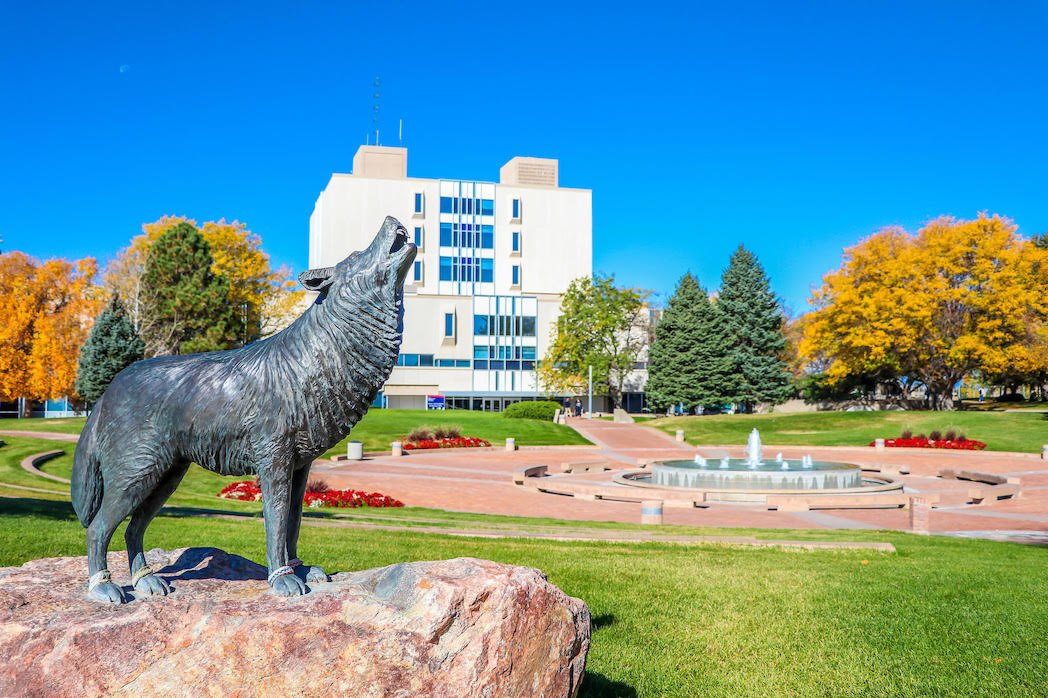
A campus with 3,730 students and 372 faculty on roughly 275 acres in the Belmont area of northern Pueblo does not pause for anybody's construction schedule. That is the first thing we plan around when an owner near CSU Pueblo asks us to build a shop, a utility run, a truck yard or a heavy slab. Class schedules, move-in weeks and game-day parking decide when a crane can set up, and the contractor works to that calendar, not the other way around.
The university also employs about 1,500 people, which puts it fourth among local employers. Those people drive to Belmont every day, and so do the delivery trucks that feed the dining halls, the labs and the physical plant. Any work we do in this part of town has to keep those routes open, keep dust and mud off the roads, and leave every gate and fire lane usable at the end of each shift. The hospital district a few miles south, around the Parkview medical campus, has a similar rhythm.
We are an industrial builder, not a campus architect. What we bring to this neighborhood is the plain, heavy side of building: site utility packages, reinforced slabs, equipment pads, drainage and paving that can take a loaded truck. For a plant manager or property owner within a few miles of the campus, we build to mill-yard standards, and that standard carries over to the work around the campus.
Building Around the Academic Calendar
Summer is the working window on any campus, and CSU Pueblo is no different. We aim to mobilize in the weeks after spring commencement, finish the loud and disruptive work before fall move-in, and hold the quiet finishing tasks for the semester itself. That means long-lead items such as switchgear, rebar and structural steel need to be ordered in winter so they are on the ground in May. Our long-lead procurement management is built for exactly that kind of backward planning.
When a job cannot wait for summer, we split it into sequences that touch one area at a time. A trench gets opened, the pipe or duct bank goes in, the bedding is compacted and the surface is restored before the next section starts. Open excavation next to a sidewalk that thousands of students use is not something we leave overnight, so each day's cut is sized to what the crew can close up by the end of the shift.
Work We Take On Near the Campus
The jobs that suit us around Belmont are the ones with iron and concrete in them. Maintenance and service buildings, vehicle storage, loading areas for the university's delivery traffic, and yard improvements for neighboring light industrial owners all fit. We build maintenance shops and service bays with floor drains, trench drains and slabs sized for the equipment that will park on them, and we pour them with the control joints laid out for the actual wheel loads.
The campus has also added a 1.2 megawatt solar array and expanded its housing over the years, and every one of those additions needed trenching, conduit, pads and access roads. We understand how a campus grows in pieces. A new electrical tie-in or a transformer pad is not glamorous work, but it is what keeps buildings energized, and it has to be coordinated with the people who already operate the system. We start those conversations early and put the outage windows in writing.
Keeping Crews and Students Apart
A fenced work zone beside a residence hall needs to be treated differently from a fenced work zone in a mill yard. We keep haul routes away from pedestrian paths, put spotters on every truck that backs in, and stage material inside the fence rather than along the road. Equipment is parked inside the line at night, and fuel and hydraulic oil are stored in containment, not on the dirt.
Noise and dust get as much attention as injuries. We water down cut areas, sweep the street at the gate, and schedule saw cutting, pile driving and compaction away from classroom hours where we can. If an owner has a daily quiet period, we build it into the work plan and tell the foremen on the first morning, so nobody learns the rule by breaking it.
What Pairs Well With Campus-Edge Projects
Owners near the campus rarely need just one trade. A new service building usually comes with site concrete and accessible routes, a stormwater plan and a way to get trucks in and out without tearing up the lawn. We carry those pieces under one schedule so they do not collide, and we sequence the underground work first so that no one cuts a finished walk to fix a pipe.
Where the project is bigger than a shop, we treat it as phased construction on an occupied site, with a written plan for access, noise, utilities and turnover of each phase. The same approach works for a plant that is running while we build next to it, and the habits are the same: protect what is operating, mark what is live, and never make the owner discover a shutdown by surprise.
What Moves the Price Here
On a campus-edge job, the cost drivers are access and timing more than dirt and steel. A site you can reach with a concrete truck from two directions costs less than one where every pour has to be pumped over a fence. Hand-digging around live utilities, weekend premiums and restoration of landscaping and irrigation can add up faster than the slab itself, so we price them as separate lines instead of burying them in a lump sum.
We also tell owners early when a schedule wish is expensive. Pulling a six-week job into a three-week summer gap can mean a second crew, overtime and rented equipment. Sometimes the right answer is to let the job run into the fall and take the noise on the chin, and we will say so before the contract is signed.
Planning Work Near the Campus?
Tell us the address, the work and the calendar window, and we will say what can be done in that time and what it should cost. Our team is ready to walk the site, check the utilities and give you a straight schedule. See how we handle advanced manufacturing work if your project is a production facility.
Questions and Answers
Can you work on or beside the CSU Pueblo campus while classes are in session?
Yes, with limits. We break the work into small sequences, keep haul routes away from walkways and schedule loud tasks outside class hours where possible. The campus owner or its facilities staff sets the actual rules, and we build our plan around them. Anything involving a main utility outage is normally pushed into a break.
Do you build the buildings on a university campus?
Our strength is industrial construction, so we focus on the service buildings, shops, utilities, slabs and yards that support a campus and the businesses near it. If an owner needs a vertical academic or residential building, we are honest that other builders are better matched. We are happy to take the site and underground portion of such a project.
How early should we order long-lead items for a summer job near Belmont?
Order electrical gear and structural steel in winter if you want them on site by May. Rebar and concrete mixes are usually quicker, but anything custom or engineered takes longer than people expect. We pin down lead times during preconstruction and put them on the schedule as real dates, not hopes.
What does a campus-edge utility trench job involve?
We locate and pothole the existing lines, open short sections of trench, install pipe or duct bank, compact the bedding and restore the surface the same day. Dust control and sidewalk detours are planned ahead. When conduit is going in for new power, we coordinate the outage window and the inspection in advance.
Is a plant or yard near the campus handled any differently than one in the mill district?
The construction methods are the same, but the neighbors are different. Near the campus we pay more attention to traffic, dust and noise, and we work to quieter hours. In the steel mill district the concern is usually heavy haul and rail, here it is people on foot.
Related
Ready to talk about your project?
Tell us about the site, the heaviest loads and the date that matters. We will review the scope and follow up with next steps for your Pueblo project.