
Service Areas
Heavy Site and Utility Construction Around the Parkview Medical Center Area
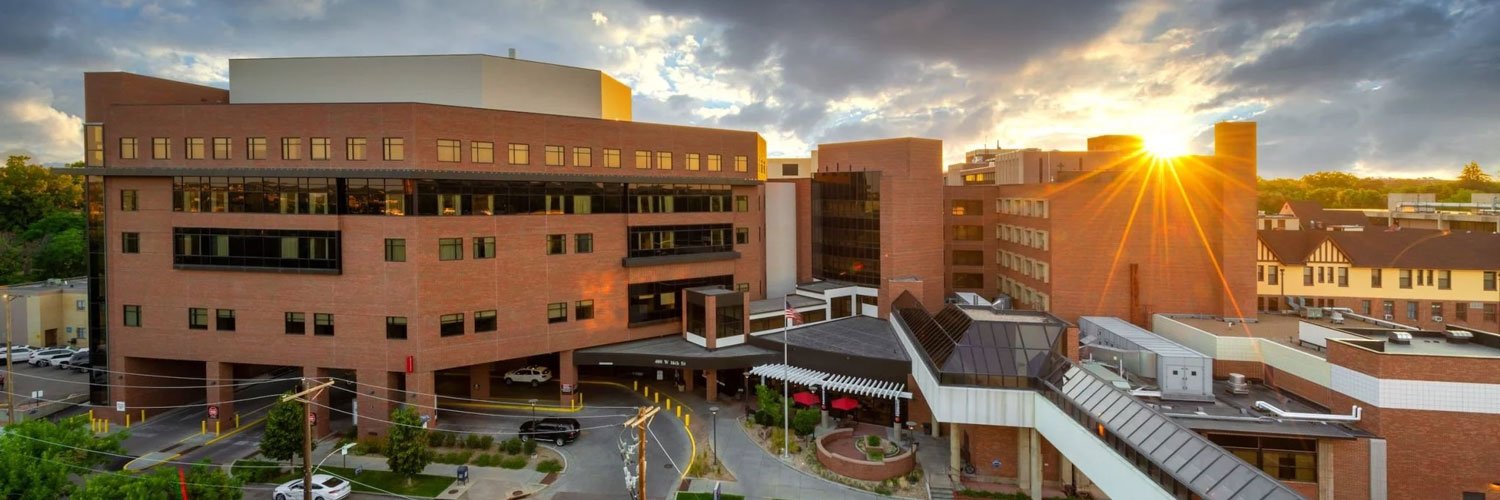
Radiation vault walls, generator pads and a loading dock that never closes are the heavy concrete and utility jobs that sit behind any hospital, and they are the jobs we know how to sequence next to patients. The Parkview Medical Center area, about a mile north of downtown Pueblo, has a 266-bed hospital at 400 West Sixteenth Street, a Level III trauma designation dating to 1993 and a helipad. Every trench, every crane pick and every truck has to respect.
The medical campus is also the biggest employer in town. The city's 2023 annual financial report puts UCHealth Parkview at the top of the employer list with 4,293 people, and the same report puts the Colorado Mental Health Hospital second at 2,000. A staff that size keeps parking lots full and shift changes busy, so the best time for a noisy task is almost never the one that suits a construction schedule.
We do not build clinical space. What we build for owners in this neighborhood is the stuff that makes clinical space work: underground electrical duct banks, equipment pads, service yards, truck aprons and the paving and drainage that go with them. For industrial owners and property managers around the hospital, the same crews apply the same methods to shops, warehouses and light manufacturing.
Working Beside a Hospital That Cannot Stop
The first question on any job near a trauma center is how an ambulance gets through. We draw the emergency route on the site plan before anything else and keep it clear of material, equipment and pedestrian detours. If a lane has to close, it closes in writing with the hospital's facilities group, with a set reopening time and a flagger at each end.
Vibration, dust and noise are the other three issues. Compaction near sensitive equipment gets measured, saw cutting happens with water, and barriers go up with negative-air provisions whenever demolition touches an occupied building. A helipad also means no cranes in the approach path without clearance, so the crane pick plan gets reviewed with the owner before a boom is raised.
Pads, Vaults and Service Yards
The Parkview Cancer Center, finished in 2023 at 45,000 square feet and built around a Varian EDGE linear accelerator, shows the kind of concrete a modern hospital needs. Radiation shielding takes thick, dense, carefully formed walls, and the structural pour is often the hardest part of the job. We do not design the shielding, but we build the vault walls, slab and equipment foundations to the engineer's drawings, with the continuous placement and cold-joint control that the design requires.
Outside the building, hospitals run on service yards. Oxygen and bulk gas tanks, emergency generators, fuel storage and trash compaction all want a slab, a bollard and a clean place for a truck to turn. Our equipment pad and foundation work is sized for the real weight and the real access, and we leave room for the replacement unit that will come in a few years.
How We Keep a Tight Site Under Control
Close management of the heavy trades is how we keep a tight site under control. We schedule excavation, forming, rebar, placing and finishing concrete, and utility installation as one sequence, which means fewer handoffs and fewer different faces badging in each morning. The superintendent who saw the trench staked is the same person who sees it backfilled.
That matters at a hospital, where every new face needs a badge and a briefing. A smaller, stable crew learns the rules once. They know where the generator tie-in is live, where the fire lane runs and which doors stay locked, and they carry that knowledge through the whole job. Where a specialty trade comes in, we sequence them in a single block so the campus is not disturbed for weeks.
Permits and Review on a Healthcare Site
Hospital work draws more review than a typical industrial job. The state health agency, the local building department, the fire marshal and the owner's own safety group may each have a say, and they do not always meet at the same time. We bring the permit requirements into the schedule during preconstruction through our permitting and entitlements coordination, so that a review comment does not arrive after the trench is already open.
Commercial building codes in Colorado are adopted city by city and county by county, not as one statewide set, so we confirm which edition applies to a given parcel rather than assume. Energy requirements are moving too: state law now requires local governments that update their codes to adopt an energy code at least as strong as the 2021 IECC, with a tighter state benchmark beginning in July 2026. We design our pads and envelopes with that direction in mind.
Buildings We Build Around a Medical Campus
Healthcare campuses attract a ring of supporting uses. Laundry and supply warehouses, equipment storage, vehicle shops and light manufacturing for medical products tend to cluster near hospitals because they need to be close. We build warehouses and flex industrial buildings that fit that pattern, with clear heights, dock doors and floor slabs set for how the tenant will actually work.
If your project is the hospital itself, we are probably not the right prime. If it is the shop that keeps the hospital supplied or the yard that holds its trucks, we are. We would rather say that up front than take a contract outside our lane.
Building Near the Hospital?
Send us the parcel, the scope and the access constraints, and we will tell you how we would sequence it. For industrial and production space in the area, take a look at our pharmaceutical and life sciences work, or talk to us about the neighboring state hospital campus.
Questions and Answers
Can you build next to an operating trauma center without blocking access?
Yes, if the access plan is written before work starts. We map the emergency route, keep it clear of material and equipment, and close lanes only with a signed window from the hospital. A flagger is posted at each end and the lane is reopened on time.
What kind of concrete work does a cancer center need?
Radiation vaults are built with thick, dense concrete walls and slabs set by the shielding engineer. The contractor forms, reinforces and places the pour to those drawings, often continuously, with careful joint planning. We do not design the shielding, but we build it exactly as drawn.
Do you work in occupied buildings?
We do site and utility work and some exterior structural work, always under a phasing plan. When demolition or cutting touches an occupied building, barriers, air control and noise limits get agreed with the owner first. Interior clinical fit-out is outside our focus.
How do crane picks work near a helipad?
The pick plan is reviewed with the owner before the crane is erected, because a boom in the approach path is a real hazard. We schedule picks for quiet windows and keep the boom lowered when the pad is in use. Heights and swing areas are confirmed with the facility.
What does it cost to add a generator pad and fuel yard?
The slab itself is a small part of it. Trenching and conduit to the switchgear, bollards, containment and an access apron usually cost more. We price those pieces separately so you can see what drives the number.
Related
Ready to talk about your project?
Tell us about the site, the heaviest loads and the date that matters. We will review the scope and follow up with next steps for your Pueblo project.