
Service Areas
Utility, Demolition and Site Work on the Colorado Mental Health Hospital Campus
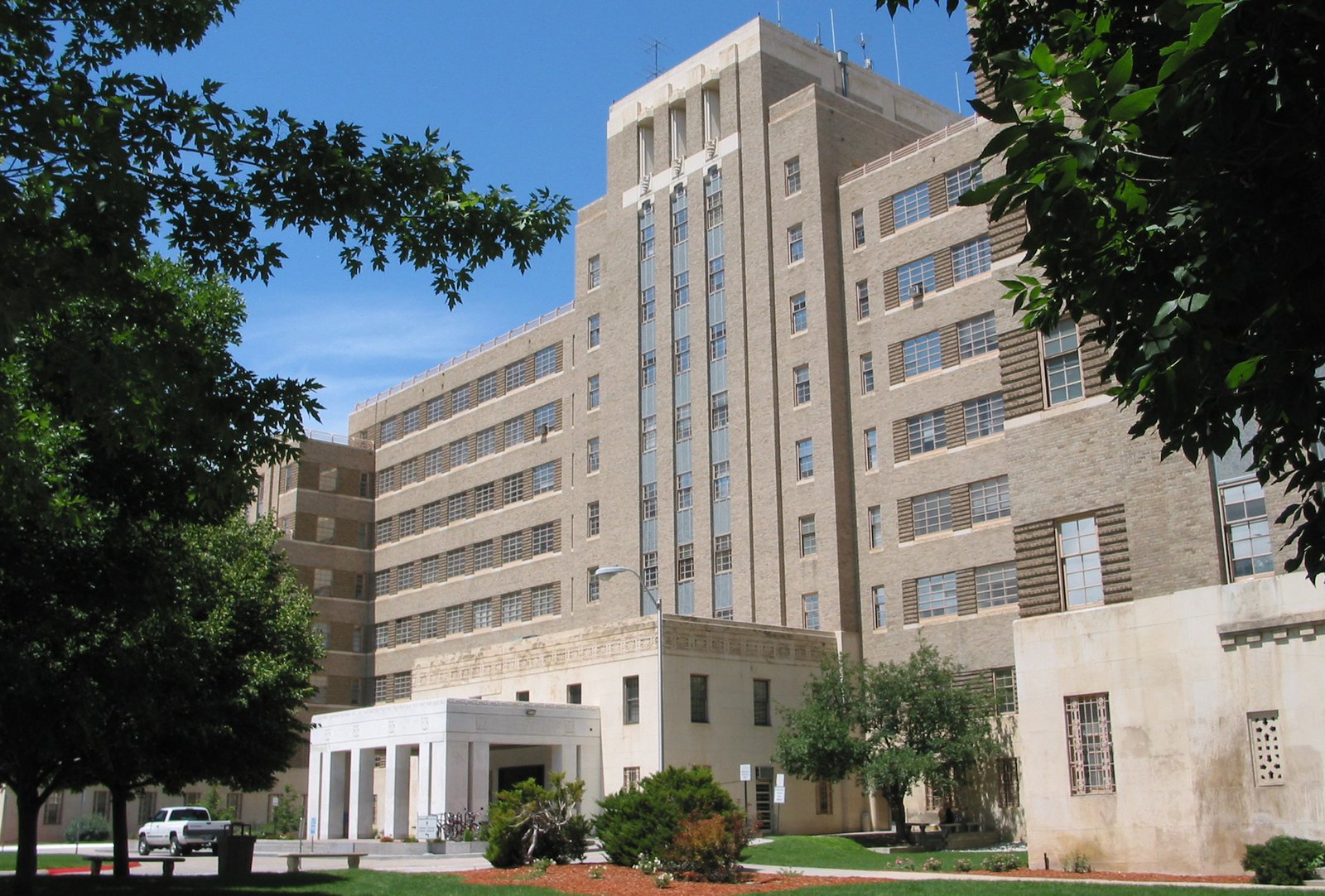
Buildings added from the 1880s into the 1960s leave a campus with pipes, wires and slabs that no single drawing set describes, and that is the reality we price into any job on the Colorado Mental Health Hospital campus. The grounds cover 300 acres in Pueblo, about two miles north of downtown. The main building opened on November 20, 1883, with room for 210 people in six wards, and additions have followed from the late 19th century into the 1960s.
The hospital is also among the biggest employers in the city, with 2,000 people listed in the city's 2023 annual financial report, and in 2022 it could care for 516 patients. A campus that old, serving that many people, carries real maintenance debt: utility lines laid in different decades, roofs and floors of mixed construction, and security fences added when a need arose. Owners around the campus feel the same pressure on their own shops and warehouses.
Our work here is the hard, unseen layer. We find the old lines, replace them in sections, and keep the campus running while we do. Facilities managers and neighboring property owners get a plan that names each phase, each shutdown and each restoration, with our service pages covering the details of the trades involved.
An Old Campus on a Big Parcel
Three hundred acres leaves a lot of ground between buildings, and on a campus that old much of what is underground has been added, moved or abandoned more than once. Steam, water, gas, sewer and electrical lines were laid as each building went in, and the records that survive are rarely complete. Part of our early work is simply finding out what is down there, by potholing, probing and tracing, before any production trench is opened.
The scale also changes logistics. A contractor can stage equipment far from the occupied wards, run haul routes on service roads instead of main drives, and work in zones that are fenced off from patient areas. We use that space deliberately, because the best way to protect a hospital campus is to keep the machinery, the noise and the dust where the patients are not.
Working Around a Secure Population
A secure behavioral health campus puts rules on contractors that most owners do not have. Tools are counted, gates are controlled, and access is by escort or badge. We plan for that with a smaller, steady crew, a tool control routine and a written plan for how material comes onto the site and how scrap leaves it.
Fences, sallyports and lighting have to keep working while we build, which makes fencing and security integration a planning exercise, not a purchase order. We replace in sections, hold temporary barriers where a gap would be a risk, and test the electrical and controls before we pull the temporary protection.
Replacement, Demolition and New Concrete
The work we are best suited for is replacement. That includes selective demolition of obsolete outbuildings and slabs, abatement coordinated with licensed specialists, new underground utilities, and fresh site concrete where the old walks and aprons have failed. We cut, remove and haul in a controlled sequence so debris never sits near a patient entrance.
New fire water lines are a recurring need on any campus of this size, and our fire water loop and hydrant work brings those lines up to date section by section. We schedule shutdowns with the fire marshal, flush and pressure-test every segment, and leave valves exercised and labeled. Nothing about that work is glamorous, but a loop that holds pressure is what the next inspection will look for.
Mapping Before Moving Dirt
We start with a utility map, even where the owner already has one, and we trust our own potholes over a drawing from another era. Each trench is surveyed and photographed before backfill, so the next contractor inherits a record that is better than the one we received. That documentation goes to the owner at turnover.
We then phase the work around the wards. Each phase has a clear boundary, a named owner contact and a restoration standard. If a cut turns up an unknown line, the crew stops, the supervisor calls and the plan changes before more dirt is moved. That discipline is slower for the first day and faster for the whole job.
Where the Money Goes on an Old Campus
Unknowns drive the cost on a site like this far more than the quantities do. A trench that runs through ground nobody has dug in fifty years can turn up old foundations, abandoned tanks or a line that was never recorded. We carry an allowance for those surprises in the budget discussion and say so plainly, instead of quoting a number that only works if the ground behaves.
Phasing is the second driver. Splitting a job into small, well-protected zones keeps the hospital running, but it costs more mobilization and more temporary protection than one continuous push. We show the owner both numbers, a continuous schedule with its disruption and a phased schedule with its extra cost, so the choice is theirs. Restoration of pavement, landscaping and fencing is priced as its own line, because it is the part people remember.
Neighbors and Related Owners
Not everyone near the campus is a hospital. Light manufacturers, distributors and contractors with yards in the area share the roads and the utilities, and many of them face the same age-of-infrastructure questions. We serve utilities and power owners as well as logistics and distribution operators with the same underground, concrete and paving skills.
If you are close to the campus and your lines tie into the same systems, we can coordinate so that a shutdown serves two jobs instead of one. The same goes for owners farther north near CSU Pueblo.
Planning Work on an Older Campus?
Tell us what is in the ground, what is failing and when the grounds can be disturbed, and we will plan the sequence. We also work next door at the Parkview area, which shares many of the same concerns.
Questions and Answers
Why are old campus utilities such a risk for a contractor?
Because the drawings rarely match what is in the ground. Lines have been added, rerouted and abandoned over many years. We locate and pothole before we trench, and we stop the crew whenever something unexpected appears.
Can you demolish an obsolete building on an operating campus?
Yes, with a plan for dust, noise, haul routes and abatement. Hazardous materials are handled by licensed specialists, and we coordinate the sequence. Debris leaves the site by a route that stays away from patient areas.
How do you handle secure access rules?
We use a small, steady crew with badges, escorts where required, and a tool-control routine. Material deliveries are scheduled and inspected at the gate. We follow the owner's rules, and we build our schedule around them.
What does a fire water loop replacement involve?
New pipe, valves and hydrants are installed in sections, and each section is flushed and pressure-tested. Shutdowns are coordinated with the fire marshal and the owner. We leave valve locations documented and labeled.
Does the campus need new concrete, or can we patch what is there?
It depends on how the old slabs and walks are failing. Patching works for surface wear, but base failure, settling and drainage problems usually need replacement. We look at the base, the drainage and the traffic before recommending either path.
Related
Ready to talk about your project?
Tell us about the site, the heaviest loads and the date that matters. We will review the scope and follow up with next steps for your Pueblo project.