
Service Areas
Renovation, Demolition and Slab Work in Boone
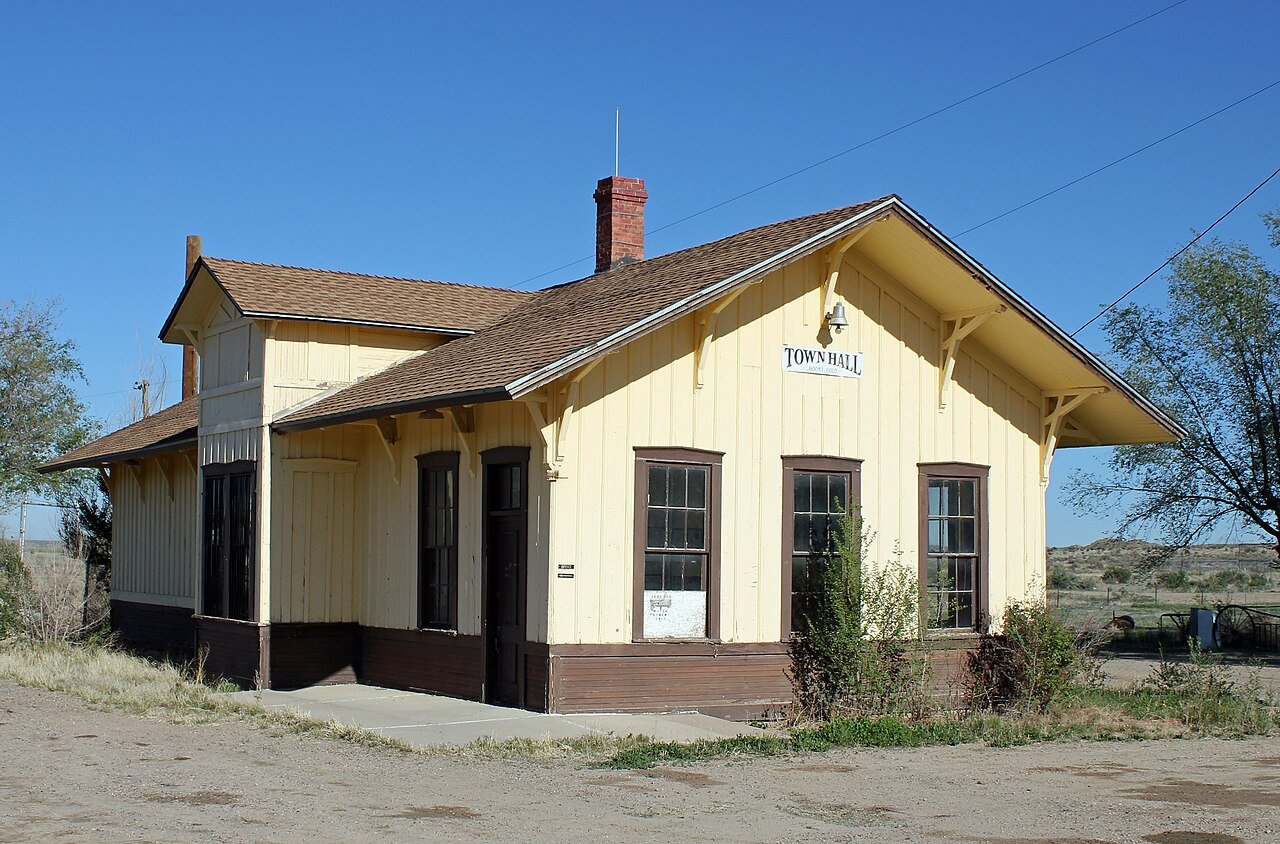
A town that has lost population needs a contractor who is good at making old buildings and old slabs useful again, and that is the skill we bring to Boone. The statutory town sits on the Arkansas River with 305 residents in 2020 at an elevation of 4,465 feet, and it covers only 0.388 square miles. Its population fell from 548 in 1960 to 305 in 2020, and its elementary school closed in 1987.
A town like that has empty lots, old structures and utilities sized for a larger population. For a business owner it can also mean open lots and low density. US 50 runs concurrent with SH 96 until just before Boone, where the SH 96 table lists the junction with SH 209 at about mile 75. Pueblo is about 21 miles northwest, so a crew can leave the yard and arrive in under an hour.
Our work here falls into three groups. We evaluate and renovate structures that can be reused, we demolish and clear those that cannot, and we build small, efficient new shops and yards on the cleared ground. Industrial renovation and modernization is the common thread.
Evaluate First, Then Decide
Before an owner commits to reusing or tearing down a building, we walk it with a structural engineer and our superintendent. We look at the roof, the walls, the slab, the electrical service and the plumbing, and we put a rough price on each repair. That price is then compared with the cost of new construction.
Often the answer is mixed. A concrete block shell may be sound, but its roof and doors are shot. A slab may be solid in one bay and cracked in another. We recommend keeping what is worth keeping and replacing what is not, and we explain why in plain terms, with photographs and numbers.
Old Buildings Hide Things
Buildings that sat vacant for years can hold asbestos, lead paint, failed fuel tanks or water damage. We do not guess about these. Testing comes first, and if hazardous materials are found, licensed specialists handle the removal before other work begins. The cost of that step is included in the owner's budget up front.
Structure is the next concern. Older masonry and timber roofs may not meet current load standards, and changing the use of a building can trigger upgrades. We confirm with the building official which standards apply. The demolition and slab replacement crew we coordinate can remove failed floors and rebuild on a proper base.
Clearing Ground and Building Small
Where a building has outlived its use, industrial demolition clears it safely. We disconnect utilities, remove hazardous materials, take the structure down in a controlled sequence and recycle metal and concrete where possible. Foundations and slabs are removed or retained depending on what comes next.
On the cleared lot, a pre-engineered building with a reinforced slab is usually the economical choice. It goes up quickly, takes little maintenance and can be sized to the owner's equipment. We build the utilities, drainage and gravel or paved yard that go with it, and we leave room for a future addition.
Why Small Jobs Cost What They Do
Renovation budgets are driven by what lies behind the walls. A priced inspection up front turns unknowns into allowances, and allowances into decisions. We tell owners which items are firm numbers and which are estimates that could move, and we update the list weekly once work starts so no one is surprised at the end.
Mobilization is the other driver. A crew and equipment on a small lot cost nearly as much to bring out as on a bigger one, so small jobs are best bundled. If you have a demolition, a slab and a shed, doing them in one visit saves more than negotiating each price down.
Salvage can offset some of the cost. Clean steel, scrap metal and reusable block or lumber are worth money, and we credit what we recover against the demolition price. Anything with a resale value is itemized so you can see it.
Small Uses That Fit the Town
In a place like Boone, a lot of useful businesses are small. A contractor's yard, an equipment repair shop, a produce storage building or a small fabricator can all fit on a modest lot. Our flex light-industrial buildings are built for that kind of mix, with a shop, a small office and a few overhead doors.
Food and farm-related uses also suit the area. An owner who stores or packs product may want washable floors, drains and a simple cooler. We talk through that scope with food and beverage owners before design, so the building supports the process rather than limiting it.
Careful Work Near Neighbors
In a town this small, everyone is a neighbor. Demolition dust, truck traffic and noise are noticed. We wet down the work, keep haul routes simple and limit loud work to daylight hours. Fences and signs keep curious kids and passers-by away from the site.
Inside the fence, safety is just as strict as on a larger project. Fall protection on roofs, shoring in trenches, lockout on live equipment and fire watches during hot work are all enforced. Small sites get the same routine as large ones.
We also keep records. Daily logs, photographs before and after demolition, disposal tickets and test results go into a file the owner receives at the end. If a lender, an insurer or a future buyer asks what was done to the building, the answer is on paper.
Have an Old Building or Empty Lot in Boone?
Describe what you have and what you need, and we will tell you whether to renovate, clear or build. For sites closer to the highway junction, see Avondale, which sits on the same US 50 corridor.
Questions and Answers
Can an old building in Boone be reused for light industrial work?
Sometimes. We inspect the structure, roof, slab and utilities with an engineer and price the repairs. If the cost approaches new construction, we recommend demolition. Hazardous materials must be tested first.
What does a demolition job include besides tearing a building down?
Utility disconnection, hazardous material testing and removal, controlled demolition, debris sorting and site grading. Permits are pulled before work starts. We leave the lot graded and safe.
How do you handle a failed concrete slab?
We find the cause first, whether it is base failure, poor drainage or overloading. Then we remove the slab, rebuild the base and pour new concrete with proper joints. Patching without fixing the cause rarely lasts.
Is 21 miles from Pueblo too far for a small project?
No. It is a short drive, and we route deliveries and inspections to keep trips efficient. For very small jobs, we may combine visits with other work in the area.
What size metal building suits a small business?
It depends on equipment and storage, but many small shops fit in a modest footprint with one or two overhead doors. We plan footings and utilities for expansion so the owner can add bays later.
Related
Ready to talk about your project?
Tell us about the site, the heaviest loads and the date that matters. We will review the scope and follow up with next steps for your Pueblo project.