
Industrial Construction Services
Data Center Construction in Pueblo, Colorado
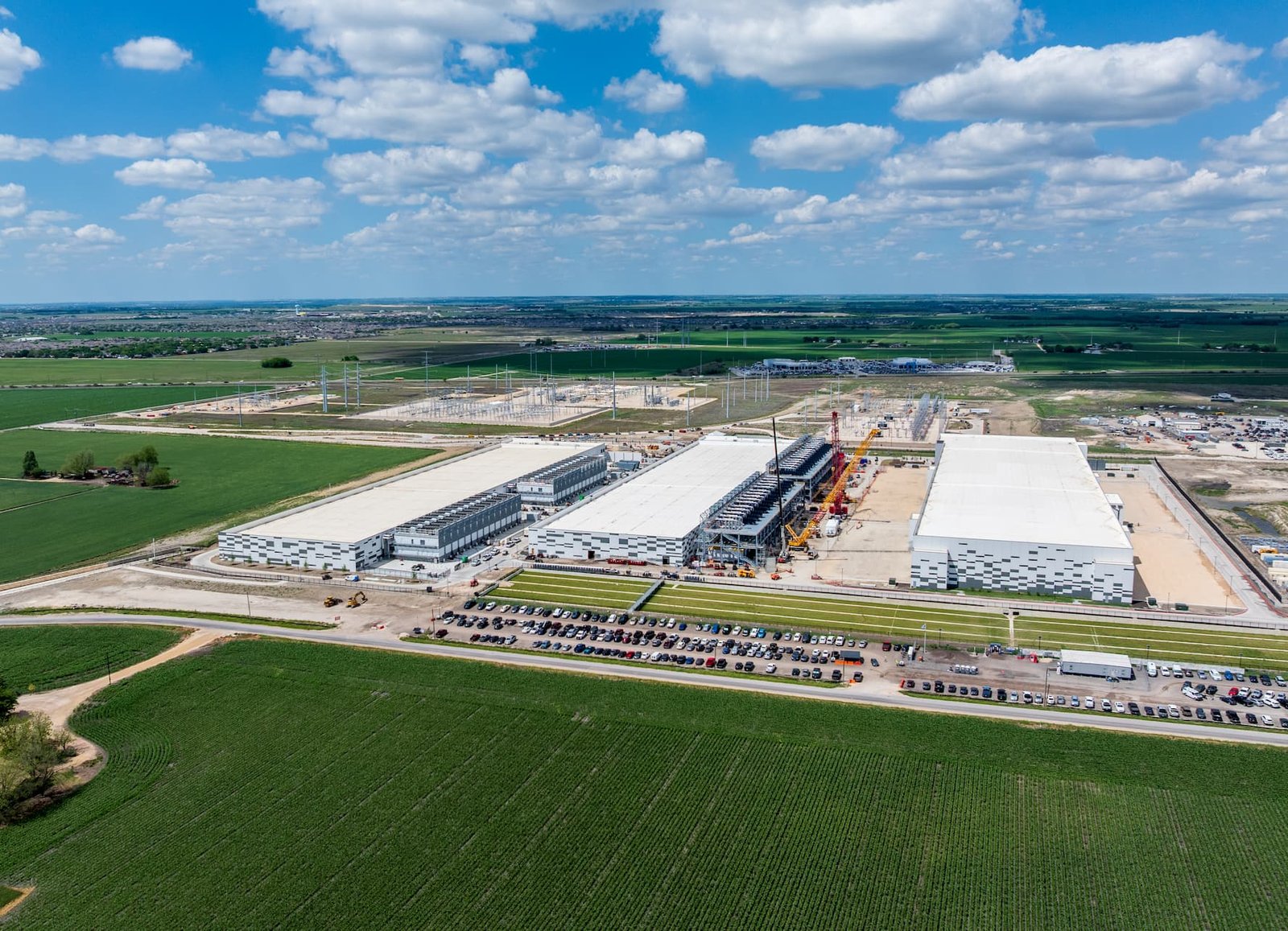
Cooling a server hall at 4,692 feet is a different problem than cooling one at sea level, and the dry high plains air around Pueblo changes how a designer thinks about economizers, humidity and water use. A data center is a building whose product is uptime. Everything we build for one is judged by whether power, cooling and network keep flowing while people and equipment are maintained, replaced and upgraded around them.
We build data center shells and halls as an industrial contractor, which means we are comfortable with the heavy parts: deep foundations for heavy equipment, thick slabs, structural steel or precast framing, long electrical duct banks, fire water systems and roads that carry delivery trucks. The IT fit-out, racks and cabling usually belong to the owner and specialty vendors, and we coordinate our work with theirs so the building is ready when they arrive.
We do not promise a market that does not exist yet. What we offer is an experienced industrial builder in a region with open land, rail and highway access, and heavy-industry habits of safety, tolerance and documentation that carry well into critical facilities.
Why southern Colorado gets a look
Large compute buildings want land, power and room to grow, and the Pueblo area offers each in different measure. The HR Green master plan for PuebloPlex covers a site of roughly 16,000 acres with more than 600 buildings plus utility and transportation systems, which shows how much existing infrastructure sits ready for reuse. The city also describes Pueblo Memorial Airport land with taxiway access, and the Interstate 25 and US 85 corridor puts the metro on a north-south route with BNSF and Union Pacific freight lines.
On the other side of the ledger, owners should weigh utility interconnection timelines and fiber routes. Power availability, not construction, is often the real long pole. We help clients ask the right questions early about service capacity, substation work and redundancy before they commit to a parcel. The PuebloPlex area in particular deserves a close look because the site already carries buildings, roads and utilities of varied condition.
Energy rules and approvals
Data centers use huge amounts of electricity, and Colorado's energy code rules matter. Under HB22-1362, a county or municipality updating its building code on or after July 1, 2023 must adopt an energy code with equivalent or better performance than the 2021 IECC and the state model electric and solar ready code, and from July 1, 2026 the benchmark becomes the state model low energy and carbon code. Mechanical design, lighting and envelope all have to reflect the version your jurisdiction has adopted.
Beyond the building code, fire protection, generator air permits, stormwater control and utility interconnection each have their own process. We create an approvals matrix at the start, list each agency, its review time and its dependencies, and track it throughout. Our permitting and entitlement coordination team keeps those reviews moving in parallel with design, so a late approval does not stop foundations.
What we build
On a typical campus, our scope runs from mass grading and utilities through the building shell. That includes the structural frame, a roof designed for rooftop equipment and heavy loads, and a slab with embedded conduit and cable trays. Inside the shell, we build demising walls, equipment rooms, loading docks, staging areas and offices. Outside, we build yards for generators, fuel storage and cooling equipment, together with support buildings for electrical gear.
Site infrastructure is a big portion. Fire water loops, stormwater detention, roads and parking, security fencing and long underground duct banks all live in our wheelhouse. A fire water loop and hydrant system is required on most large buildings, and the capacity depends on the hazard class the insurer assigns.
Where the money goes
Mechanical and electrical systems dominate cost, often far more than the building shell. Owners rightly focus on power density and redundancy, because they set the size of every switchgear lineup and chiller plant. The shell cost is driven by structure, roof loads and the fire-rated separations needed for different rooms. Site work and utilities add up quickly on a green site, especially when long runs of conduit and water line are needed.
We help clients compare alternatives such as precast against steel framing, slab-on-grade against raised floor and one large hall against modular halls built in phases. Phasing matters most. Building a shell sized for the full campus but fitting out only the first hall defers costs, while leaving room for the next phase prevents expensive demolition later.
Controls, tolerances and documentation
Critical facilities are built to tight tolerances and to a documentation standard. Floors have to be flat and level for racks and equipment, penetrations must be sealed against smoke and water, and every conduit, valve and sensor must be recorded as built. We bring quality control inspectors into the field, run mockups where finishes and details are critical, and keep a deficiency log open until each item is closed.
We also respect the owner's commissioning process. Mechanical, electrical and fire systems are tested in stages, and we line up our schedule so each system is complete and clean before it goes to testing. Any area that is open to the weather during construction is protected, since dust is an enemy of server rooms.
Safety on a large critical site
Large crane picks, electrical energization, confined spaces and trench work all appear on the same job. We run daily planning meetings, pick plans for every crane lift, lockout and tagout for energized gear and trench protection for every excavation. Electrical commissioning requires coordination with qualified electrical contractors, and we enforce clear boundaries between construction areas and energized areas.
Visitor control and security are part of safety, too. On a site with a secured perimeter, we manage badging, vehicle inspection and escorts, and we keep drawings and equipment lists restricted to those who need them.
Bring the power number, we will bring the site plan
If you are weighing sites, bring us the power requirement and the target in-service date. We will review the parcel, outline the schedule and give a budget range. Explore the data center building type or the data center industry for more.
Questions and Answers
Is there demand for data centers in the Pueblo area?
We do not speculate on demand. What we can say is that land, rail, highways and heavy-industry infrastructure are present, and owners evaluating southern Colorado ask us about site conditions, utilities and permits. Our role is to price and build once the owner has a program.
How long does a data center take to build?
Longer than most buildings, mainly because equipment lead times and commissioning are heavy. Shell and site work can be done in months, but switchgear, generators and chillers set the energization date. A phased plan lets the first hall come online while later halls are still being designed.
Can you build to an owner's standard design?
Yes. Many operators have a standard prototype. We study it, adapt it to the site and local code, and build to it with our quality control, flagging deviations before they cost money.
What about water use for cooling?
Cooling water and wastewater planning start at the design stage. The dry climate affects strategy, and the owner's engineer decides on air or water cooling. We build the piping, tanks and yards the chosen system needs.
Do you handle fiber and utility interconnects?
We build the duct banks, vaults and pads that receive utility and fiber service, and we coordinate with the providers. The providers perform the service work on their own schedules, which we track.
Why choose an industrial contractor for a data center?
Because the hardest parts of the job are industrial: heavy foundations, large utilities, long yards and strict safety. We bring that discipline, and we coordinate with the IT specialty vendors on the fit-out.
Related
Ready to talk about your project?
Tell us about the site, the heaviest loads and the date that matters. We will review the scope and follow up with next steps for your Pueblo project.