
Industrial Construction Services
Data Center Support Buildings in Pueblo, Colorado
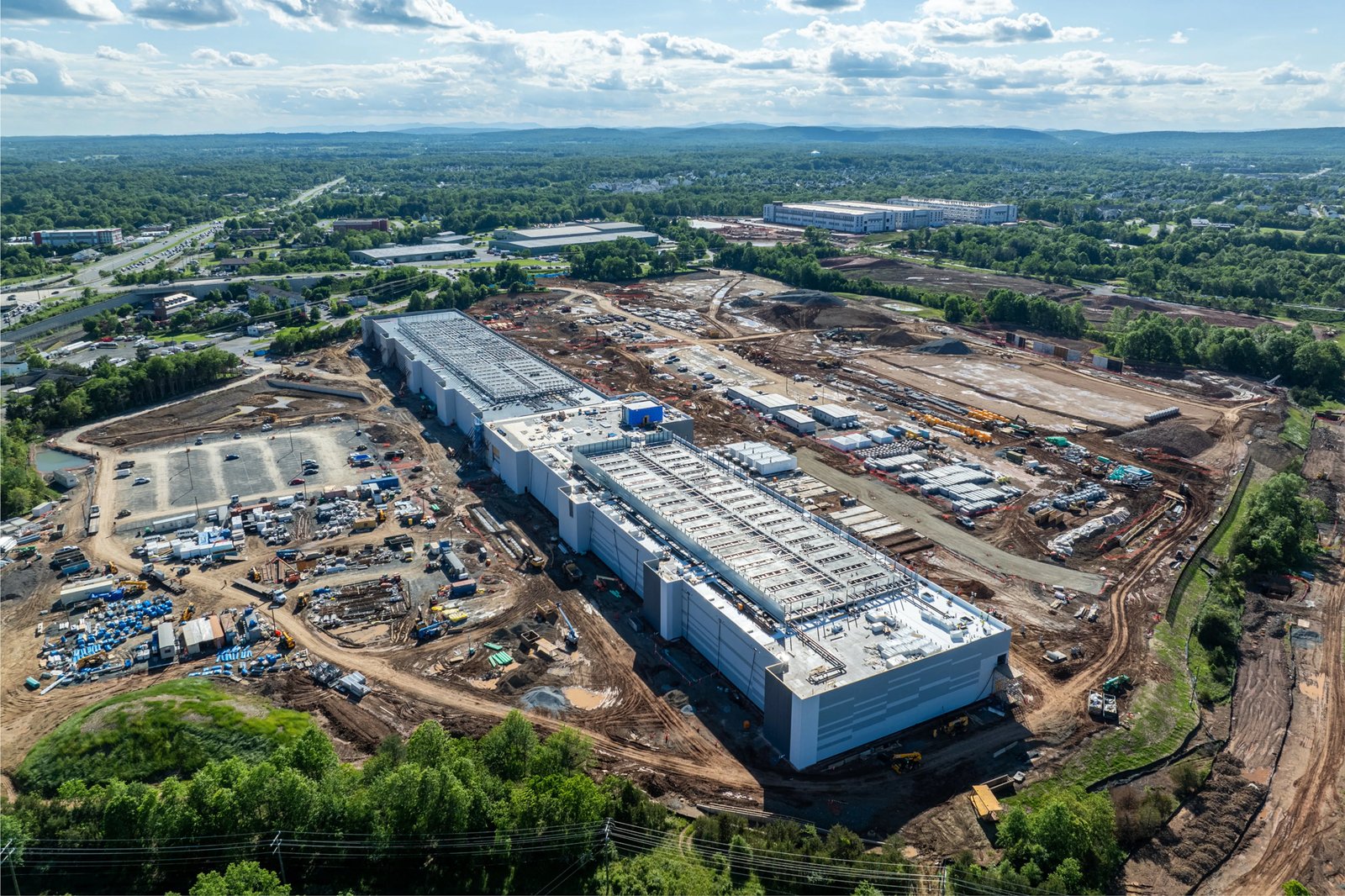
A rack of servers is only as dependable as the box of switchgear feeding it. Behind every computing hall sits a second set of buildings that rarely make the brochure: generator yards, electrical rooms, battery and UPS enclosures, chiller and pump houses, fuel storage, a security gatehouse and a receiving area where equipment is unpacked before it goes inside. These are support buildings, and they decide whether a data facility stays on during a utility fault.
We build these structures for owners who are planning compute space in southern Colorado, or who already run a facility and need to add power or cooling capacity. They are heavy, practical buildings: slabs designed for generator and transformer weight, block or precast walls, steel roofs, big openings for equipment delivery, and tight coordination with the electrical and mechanical trades. We build them the way we build any plant utility building, with the mindset that failure is expensive.
Power is the point. Pueblo is an industrial city, and the EVRAZ rail mill project calls for a 240 megawatt on-site solar field by Lightsource BP, a reminder that large loads and large generation are already part of the local picture. We do not claim to be a utility, but we know how to build the pads, duct banks and enclosures that tie a big load to its source.
The buildings behind the hall
Electrical rooms hold medium-voltage switchgear, transformers, paralleling gear and distribution boards. They need steel or concrete envelopes with fire-rated separations, cable trenches or raised floors, and ventilation for heat. Battery rooms add their own requirements: spill containment, ventilation and sometimes hydrogen or thermal runaway detection depending on the chemistry. Generator enclosures need foundations to carry engine weight, sound attenuation, fuel supply, exhaust routes and room for fans and radiators.
Mechanical buildings house chillers, cooling towers, pumps and heat exchangers. These require concrete pads, sleeved penetrations, floor drains and pipe supports for large diameter lines. Between the buildings run the underground duct banks that carry power and fiber, along with fuel lines and water. A support building project is a package of buildings, utilities and yard, and we price it as such.
How we run the job
We work from the equipment list backward. Weights, clearances, delivery sizes and the order the gear arrives all shape the building. A switchgear lineup that arrives in three shipping splits must roll in through a door sized for it and land on a pad with embedded channels in the right spot. We lay out the equipment pads before the walls, then build around them, so no wall has to be cut open for a missed delivery.
Control of the site matters just as much. Data facilities often demand secure access, background checks and a closed yard. We establish gate control, laydown and a staging area, and we coordinate with the owner's commissioning agent early, so the buildings are ready for testing when the equipment is set. Where the owner has a standard design for repeated builds, we follow it and bring in the quality control to hold the tolerances, similar to our approach on multi-site rollouts.
Codes, load and site approvals
Colorado leaves commercial building codes to each city and county rather than adopting one statewide edition, so the edition governing your building depends on where the parcel sits. We confirm which authority has jurisdiction, then verify the energy provisions, fire separation and electrical edition in effect. Large generator installations can also trigger air permitting and fuel storage rules, which are handled by separate agencies and should be started early.
Site approvals are more than building permits. Stormwater management, utility interconnection agreements and noise limits for generators can all affect layout. If you are looking at the airport side of town, the city lists Pueblo Memorial Airport as a full-service municipal airport about 5 miles from I-25 with 40 acres available for development, and any parcel near the field raises its own height and approach questions. We map the constraints before you commit to a lot.
Equipment lead times drive the plan
Switchgear, transformers, generators and chillers can have lead times measured in months or more. The construction schedule has to be built around when that equipment lands, not the other way around. We track each long-lead item with the manufacturer, ask for factory test dates, and sequence foundations so pads are cured before gear arrives. A late transformer can idle a whole crew, so we create alternate work fronts such as enclosure finishes, site utilities and fencing.
Weather in the Arkansas Valley is moderate for concrete work most of the year, but we plan cold-weather protection for winter pours and avoid heavy picks in high wind. With long-lead supply as the main schedule risk, our long-lead procurement management service tracks submittals, expediting and delivery, so the schedule reflects the real supply chain.
Where this connects
Support buildings are a piece of a larger campus, and they often come with data center construction of the main hall. They also tie to broader utility work, such as utilities and power projects that bring service in.
The perimeter gets fencing and security integration, and owners comparing building formats can look at the data center building type. If you only need the support piece, such as a generator yard added to an existing building, we can scope it as a standalone project and coordinate with your existing contractors.
Build the power side first
Send us the equipment list, the site plan and the energization date. We will price the pads, buildings, duct banks and yard. If the campus is bigger than the support plant, see our notes on the full hall build and the data center industry we serve.
Questions and Answers
What is the difference between a data center and its support buildings?
The hall holds the computing equipment. Support buildings hold the power, cooling and security systems that keep it running. They are often built first, since utility equipment has long lead times and must be ready before the hall can be energized.
Can you add a generator yard to an existing facility?
Yes. We look at the existing electrical room, site grading, fuel supply and clearances, then design a pad, enclosure and duct bank that tie in cleanly. Tie-ins to live switchgear are scheduled in controlled outages with your electrical contractor.
How do batteries change the building?
Battery rooms need containment, ventilation, temperature control and often special detection, all of which depend on the chemistry. We coordinate with the battery supplier and the fire protection engineer early, because those requirements can change wall construction and room size.
What drives schedule risk the most?
Equipment delivery. Transformers, switchgear and generators arrive on manufacturer schedules that can move. We schedule so that foundations and enclosures are ready on time, then keep other work flowing if a delivery slips.
Do you work under owner security rules?
Yes. We follow site access procedures, credentialing and escort rules, and we handle drawings and equipment lists under whatever confidentiality terms the owner sets.
Related
Ready to talk about your project?
Tell us about the site, the heaviest loads and the date that matters. We will review the scope and follow up with next steps for your Pueblo project.