
Service Areas
Cold-Climate Shop and Slab Construction in Rye
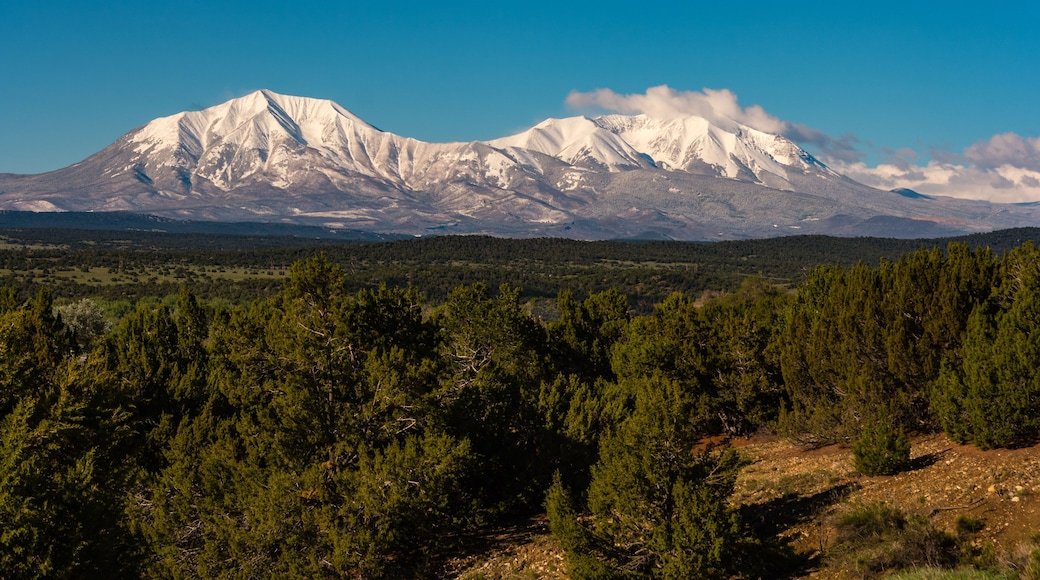
Frost depth, snow load and winter concrete are the first three items we put on the table when an owner in Rye asks for a shop or a slab. Rye is a Greenhorn Valley town at 6,828 feet elevation with an all-time record low of minus 36 degrees Fahrenheit. At those numbers a building that is detailed for Pueblo will crack, heave or leak, so the details change.
The town had 206 residents in 2020, up 34.6 percent from 153 in 2010, and it belongs to the Pueblo metropolitan statistical area. It sits about 30 miles southwest of Pueblo. State Highway 165, a 36.894 mile route that ends at I-25 exit 74, passes through Rye after leaving the San Isabel National Forest. Trucks reach the interstate from here without crossing a city.
We build practical structures for owners in that setting: insulated metal buildings, equipment pads, and the foundations and slabs beneath them. Small projects get the same engineering attention as large ones, because a cold valley punishes any shortcut. Owners who want a building that works in January get concrete and steel details held to the standard we use in a mill yard.
Designing for a Hard Winter
Frost heave is the quiet enemy. Water in the soil freezes, expands and lifts footings and slabs, and then settles unevenly in spring. We set footing depth below the frost line, build drainage so water leaves the building pad, and use insulation under slabs on grade where heated floors need it. These measures are cheaper at construction than as repairs.
Snow and wind add their own loads. A roof has to carry a drift against a taller wall and shed snow without burying a door. We follow the engineer's load figures and add practical details: snow guards over entries, overhangs that shade doors from icing, and door orientation that avoids prevailing wind where the lot allows.
Building the Calendar Around the Weather
At 6,828 feet, the construction season is shorter than it is in Pueblo. We aim to complete foundations and slabs in the warm months, close in the building before hard freezes, and leave interior work for winter. When a pour has to happen in the cold, we heat the subgrade, use enclosed placement with blankets, and monitor the concrete temperature until it gains strength.
Delivery logistics are tied to the road. SH 165 gives access from I-25, but heavy trucks have to deal with grades, snow and ice. We schedule steel and concrete deliveries for clear days, keep a backup date, and tell the owner when a storm moves the plan.
Foundations, Slabs and Utilities
A building in Rye begins with grading and drainage. We clear the pad, rough-grade to shed water, bring in compacted structural fill and set forms. Equipment pads and foundations for compressors, tanks or heavy machinery are poured with embedded bolts, conduit and sleeves in place.
Then come utilities. Water lines need adequate cover and often insulation or heat trace, and septic systems require percolation tests and state approvals. Electrical service may be a long extension in a rural valley. We ask the utility for a written schedule early and place conduit during site work so that nothing has to be cut out later.
Shops, Storage and Small Production Space
The building types that make sense in the Greenhorn Valley are sturdy and uncomplicated. A pre-engineered metal building with insulated wall and roof panels covers workshops, equipment storage and small production space. Radiant floor heat is a good choice for shops where people stand all day.
We also build flex light-industrial buildings that combine shop, storage and a modest office. For owners who need to expand, we size the foundations and utilities for the final building and add bays as the business grows.
Drainage, Grading and Access to the Lot
Snowmelt in a valley like this arrives all at once, and a lot that drains badly in April stays muddy into May. We design the pad with positive slope away from the building, swales that carry water to a defined outlet and culverts sized for spring flow. Our stormwater detention and drainage work keeps water off the slab and out of the driveway.
The driveway is the next concern. A gravel approach that is graded and compacted with a crown will survive freeze and thaw far better than one that is simply dumped and spread. We build the approach to take a loaded delivery truck, and we leave a turnaround so the plow has a place to push snow.
Working Safely at Altitude and in the Cold
Cold and altitude affect people as much as materials. Crews need warm-up areas, frequent breaks and attention to frostbite and slips on icy ground. We plan the work to keep people off ladders and roofs during icy mornings, and we adjust crane operations for wind.
Fuel and heaters on site are managed carefully. Temporary heat in an enclosure needs ventilation and carbon monoxide detection, and we avoid unvented heaters in closed spaces. Fire extinguishers and a clear exit path are standard in every enclosure.
Small Town, Same Standards
We do not treat a small valley job as a lesser one. Every project gets a written scope, a priced proposal with allowances called out, a schedule and a named superintendent. If something changes, the owner hears about it right away, with a price and a choice.
Owners with property in Beulah or Colorado City often ask whether work can be done together. When schedules fit, it can, and the shared mobilization lowers cost for each. We also work with advanced manufacturing owners who want a small, flexible production space in a lower-density setting.
Building in the Greenhorn Valley?
Tell us the use, the lot and the equipment, and we will put together a winter-ready scope and schedule. Send the details and we will visit the site.
Questions and Answers
How deep do footings need to be in Rye?
Below the local frost line as set by the building official and the engineer. At this elevation that depth is greater than in Pueblo. We follow the official requirement and add drainage so water does not collect against the footing.
Can you pour concrete in winter in the Greenhorn Valley?
Yes, with preparation. We heat the subgrade, use blankets or enclosures, and monitor the temperature until the concrete gains strength. Some days are too cold, and we reschedule rather than risk a failed pour.
Is radiant floor heat worth it in a small shop?
Often yes. It keeps the floor warm where people work and does not rely on moving air. It does need insulation under the slab and a proper controls package, which we coordinate with the mechanical contractor.
What does a septic system require in a rural lot?
Soil testing, a design by a qualified engineer and approval from the local health authority. The design depends on the number of fixtures and the soil. We coordinate the schedule with the building permit.
How do you get steel to a site on SH 165 in winter?
We schedule deliveries for clear days and keep backup dates. Trucks use the I-25 exit and SH 165, which can be slick. We tell the owner when weather moves the plan.
Related
Ready to talk about your project?
Tell us about the site, the heaviest loads and the date that matters. We will review the scope and follow up with next steps for your Pueblo project.