
Service Areas
Fire-Resistant Metal and Concrete Construction in Beulah
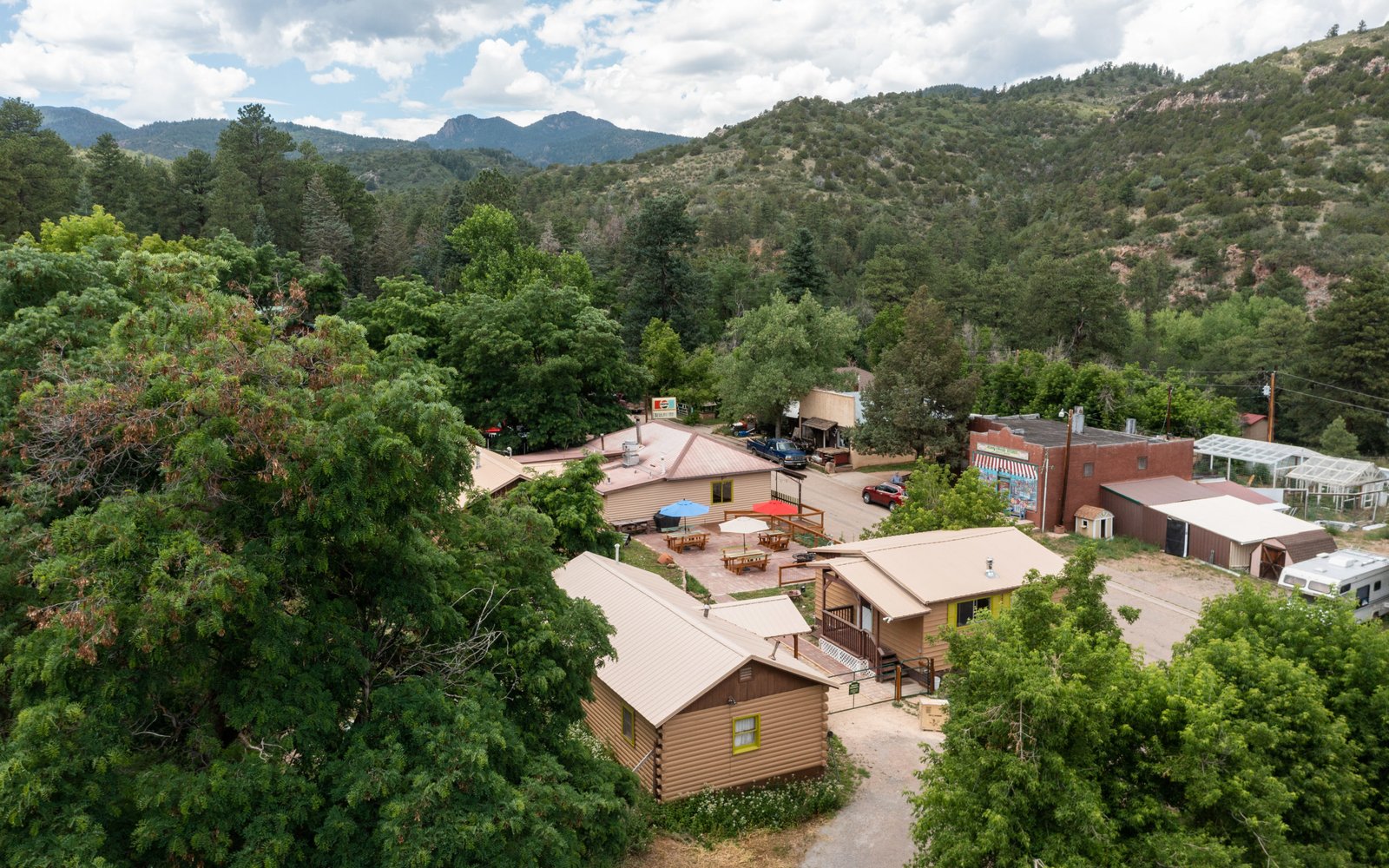
Steel framing, concrete floors, cement-based siding and a dependable water supply are the starting materials when we build in the foothills of the Wet Mountains, because Beulah has seen what fire does to wood buildings. The Aspen Acres Fire damaged or burned over 400 buildings in the area and destroyed the Horseshoe Lodge at Beulah Mountain Park. Any owner building here is making a decision about that history, whether or not they say so.
Beulah sits at 6,382 feet, about 21 miles southwest of Pueblo. State Highway 78 connects Pueblo to Beulah and the San Isabel National Forest, running 33.272 miles from SH 45 in Pueblo to SH 165, with a 1.493 mile SH 78 Business spur into Beulah. The road climbs, bends and carries heavy equipment slowly, which sets the rhythm of any job in town.
We build non-combustible shops, storage buildings and equipment yards on steep or wooded lots, and we plan the water, access and clearing that make a building defensible. Our approach is plain: use materials that do not feed a fire, give responding crews a road they can use, and keep vegetation back from the walls.
Steep Lots, Thin Soil and Long Driveways
Foothill lots slope, and the ground is often thin soil over rock. A building pad has to be cut or filled, and retaining walls may be needed. We investigate before we price, because rock excavation and retaining structures can change a budget by a large margin. A test pit or boring is cheap compared with the surprise of hitting ledge with a full crew standing by.
Driveways deserve the same attention. A drive must be wide enough for a fire engine, graded within what a loaded truck can climb in snow, and drained so that runoff does not cut a gully. Our heavy-haul access roads are built to carry concrete trucks and equipment during construction and emergency vehicles for the life of the building.
Defensible Space and Fire Water
Defensible space is part of the site plan, not an afterthought. We clear brush and trees back from the building, leave gravel or concrete aprons around the walls, and avoid wood decks and stored fuel near the structure. Non-combustible roofing and siding, ember-resistant vents and tempered windows are the types of details the owner and the insurer will want to see.
Water is the other half. Where a hydrant is not nearby, an on-site storage tank with a fire department connection can provide the supply responders need. Our fire water loop and hydrant systems work covers tanks, pumps, piping and connections, built to the standards the local fire authority sets.
Rules for Building Near the National Forest
Beulah is in Pueblo County, and rules for grading, septic systems, wells and building permits come from the county. Lots next to the national forest may have easements, access restrictions or wildfire mitigation requirements. We read the plat and the covenants before the owner buys or builds, and we ask the county which reviews apply.
Colorado leaves commercial building codes to individual jurisdictions, so we ask the building official which code and which wildfire provisions govern the parcel. Water supply, septic and access are the items most likely to hold up a permit, so we start them first.
Shops, Pads and Retaining Work
The usual jobs here are shops, equipment storage, and small commercial or utility buildings. A pre-engineered metal building with insulated steel panels and a concrete slab suits most. The steel resists fire, and the slab provides a flat, durable floor for vehicles and equipment.
Foundations on slopes need care. We use stepped footings, drilled piers where the ground demands them and retaining walls designed by an engineer. Drainage behind a wall is critical, and we install drain pipe, gravel and filter fabric so water does not build up pressure.
Clearing, Grading and Drainage
Before any building goes up, the lot has to be prepared. Site clearing and mass grading in the foothills means removing trees and brush, stripping thin topsoil, shaping benches and managing the slope. Timber is cleared and chipped or hauled according to what the owner and the fire authority want.
Drainage keeps the improvements in place. Culverts, swales and rock-lined channels carry water away from the building and the road, and silt controls protect nearby drainage. A foothill road that washes out in July is a failure of the design.
What Raises the Price of a Foothill Job
Slope, rock and distance are the three big cost drivers, and none of them shows on a flat site plan. Excavating rock costs several times what soil does, a retaining wall adds a separate structure to engineer and build, and every long haul adds fuel and time. We investigate the lot first and then give the owner a number with those items broken out.
Fire-resistant materials add some cost, usually less than owners expect, and they can reduce insurance cost or open doors to coverage. Owners who also have land in the next valley over can look at Rye, where the same highway system applies but the winter is harder. We compare options honestly, including the choice to build smaller or later.
Getting Equipment Up a Mountain Road
The construction trucks, loaders and concrete mixers make the trip up SH 78 on a planned schedule. Concrete has a time limit, so we confirm the haul time from the batch plant and keep a second source in reserve. Long loads such as steel or pipe need a route check for tight bends and weight-limited culverts.
Weather decides many days. Snow and ice slow the road in winter, and summer storms can make a graded drive impassable. We plan a mobilization window with float and keep communication open with the owner so a delay is explained, not discovered.
Building in the Foothills?
Send us the lot, the use and any covenants, and we will return a plan for the road, the pad and the water. See nearby options at Colorado City or the utilities and power page if your project involves infrastructure.
Questions and Answers
What materials make a building more fire-resistant in the foothills?
Steel framing, concrete floors, cement-based or metal siding, Class A roofing and ember-resistant vents. Gravel or concrete aprons around the walls help too. We follow the code and the fire authority's guidance, and we discuss options with your insurer.
How is water supplied for firefighting on a remote lot?
A storage tank with a dry hydrant or fire department connection is common. Size and location come from the fire authority. We build the tank pad, piping and access so responders can use it.
What does rock do to a building budget?
It increases excavation cost and may require special equipment. We investigate before pricing and show an allowance. Knowing early lets the owner move the building or change the foundation.
Can a loaded concrete truck reach my lot?
That depends on the road grade, width and weight limits. We check the route and the driveway before scheduling. Sometimes a pump truck or a shorter haul solves it.
How long does a foothill project take?
Site work often takes longer than the building because of grading and access. Weather also plays a role. We give a schedule after reviewing the lot.
Do you work with insurers on fire-resistance details?
We follow what the owner's insurer and the local fire authority require and document the materials used. Owners should ask the insurer early about discounts or requirements.
Related
Ready to talk about your project?
Tell us about the site, the heaviest loads and the date that matters. We will review the scope and follow up with next steps for your Pueblo project.